
Last updated November 22, 2026
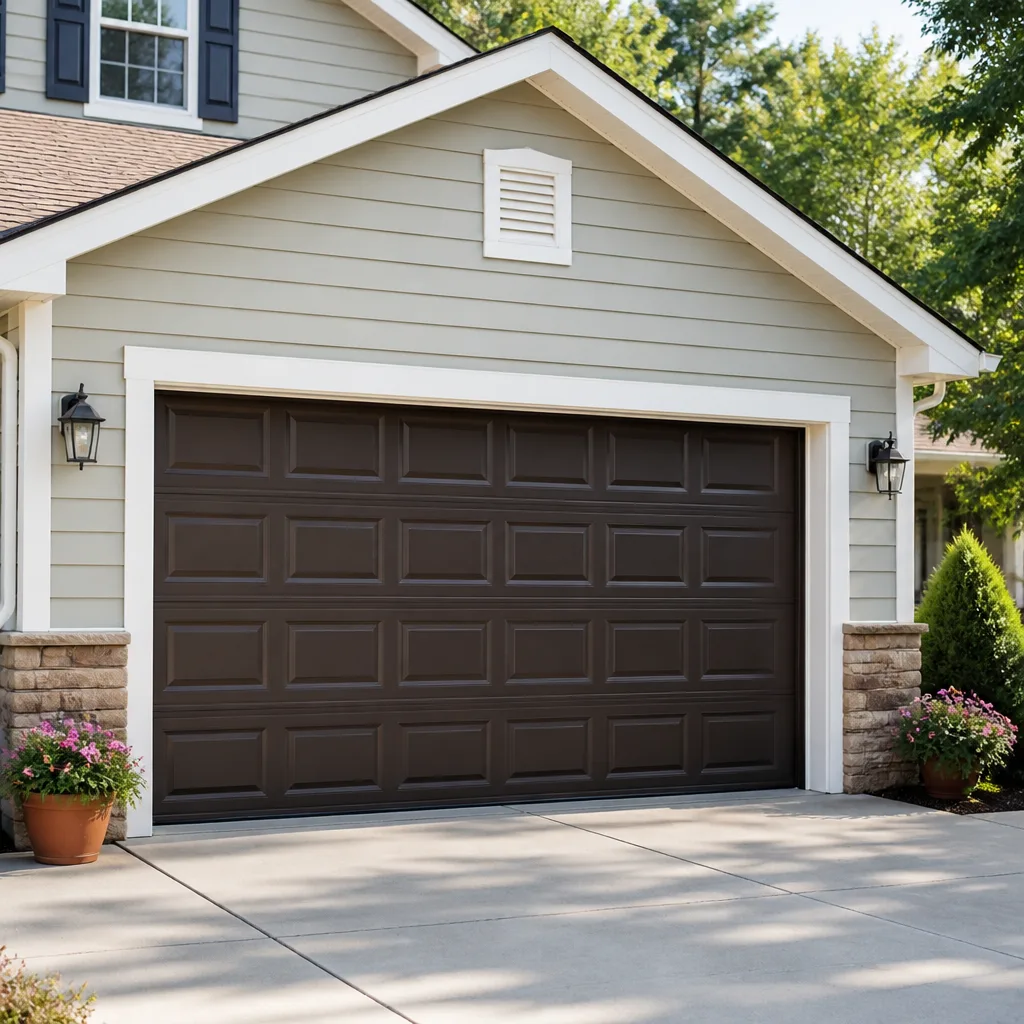 Raised-panel steel
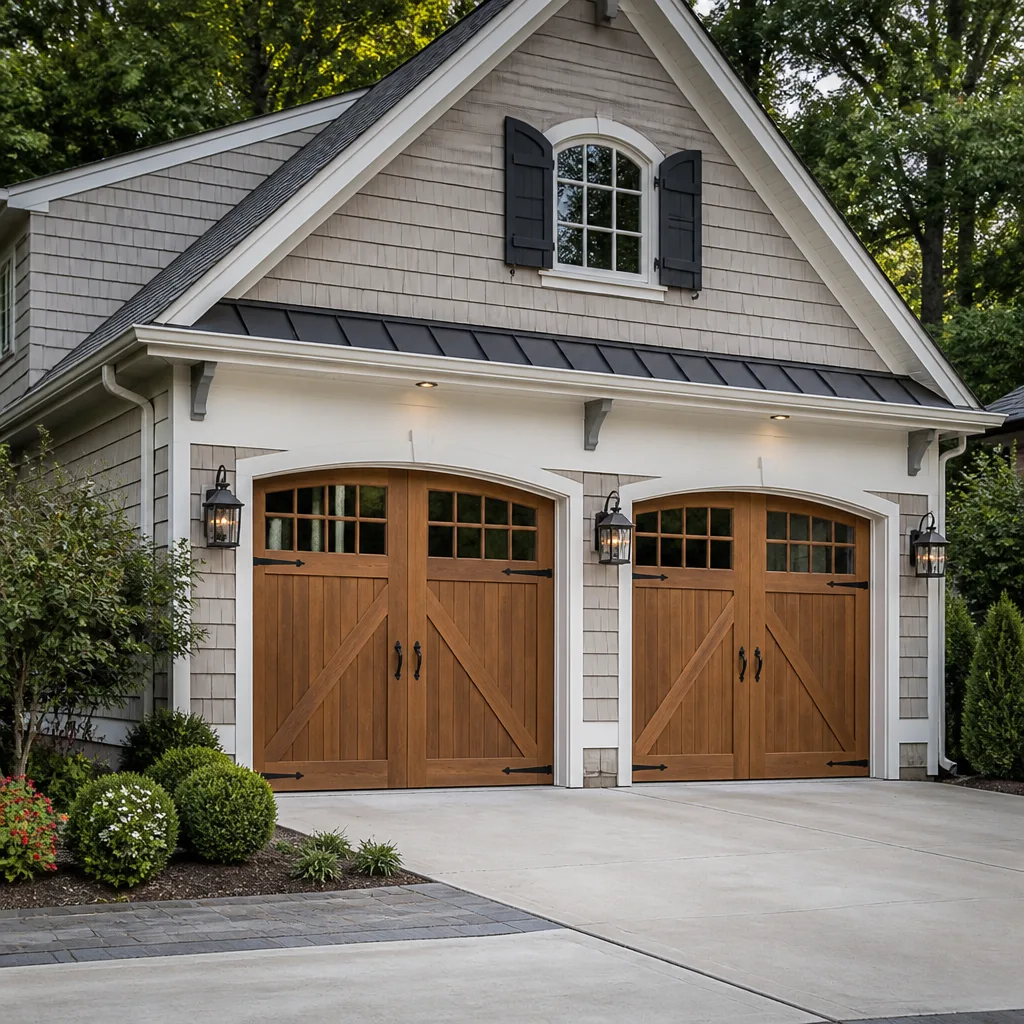 Carriage house
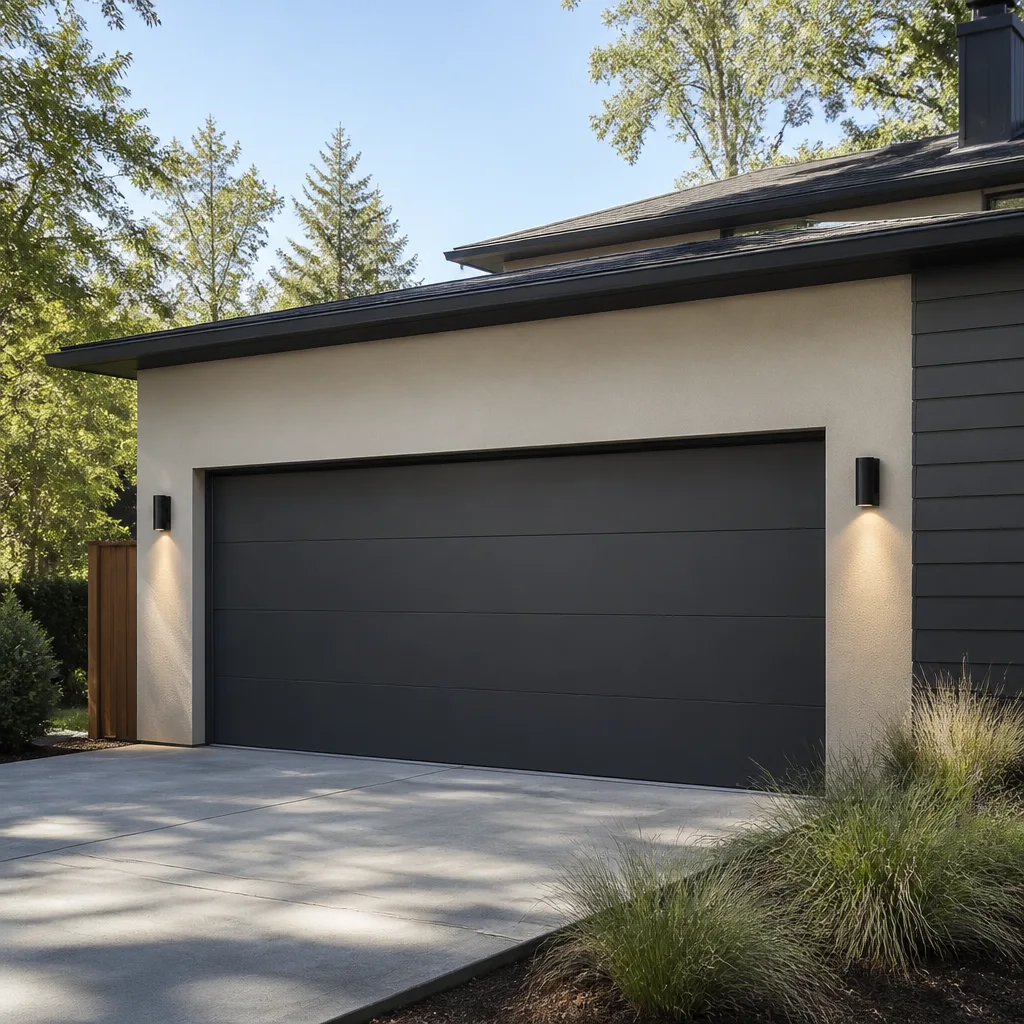 Modern flush
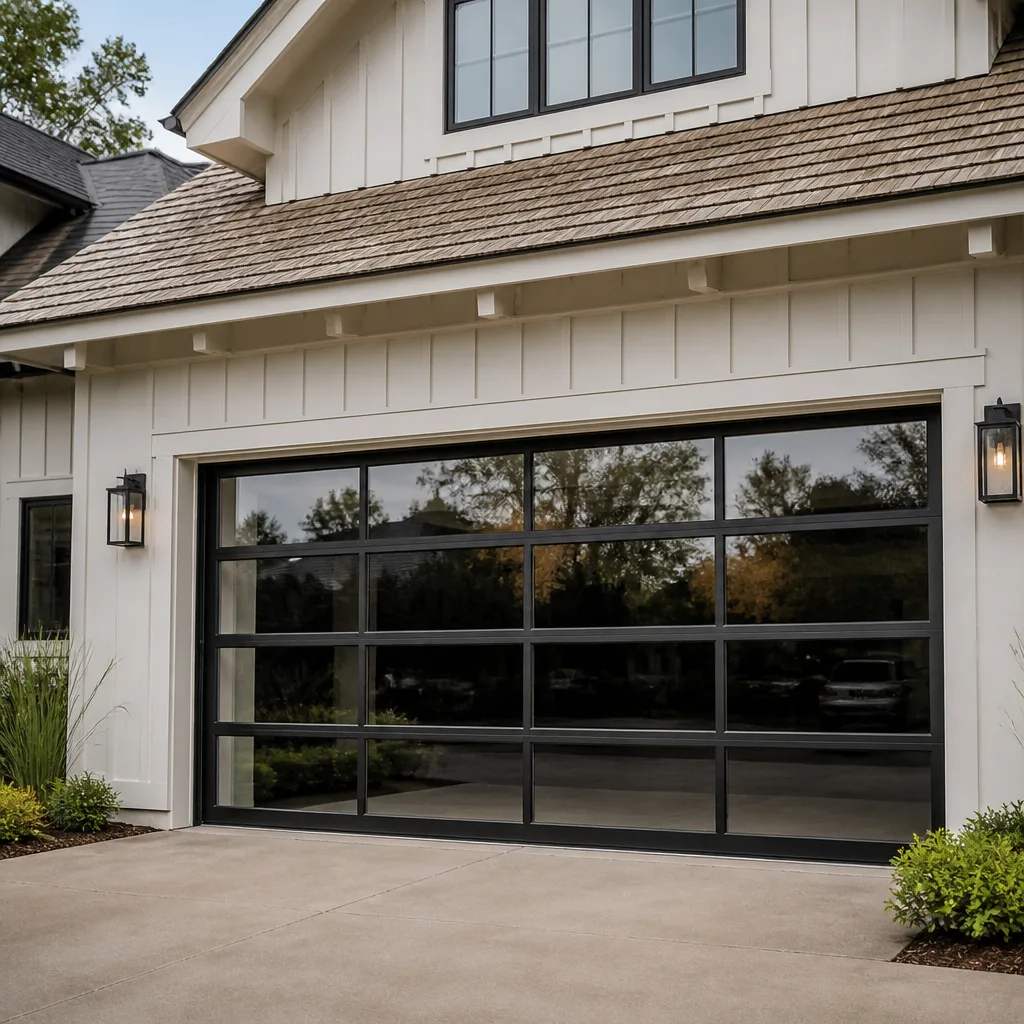 Full-view glass
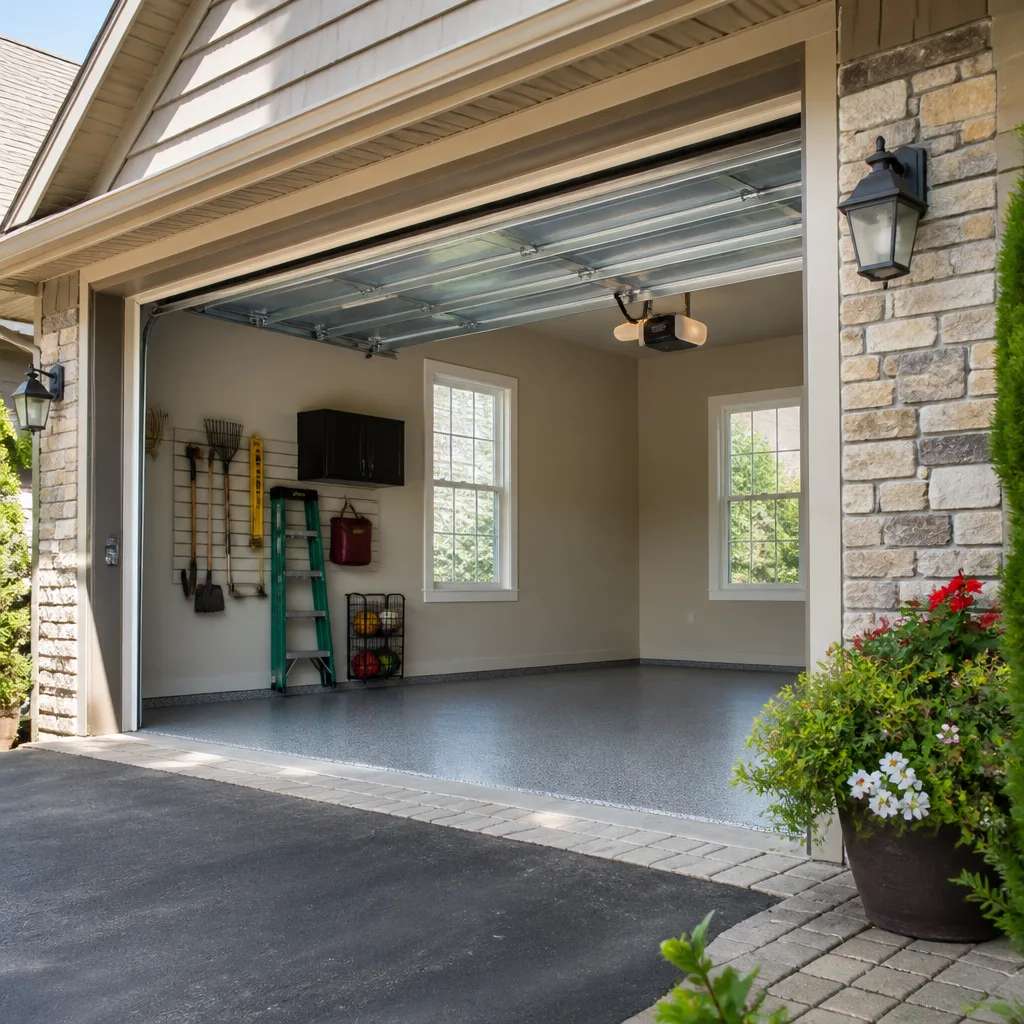 LiftMaster openers
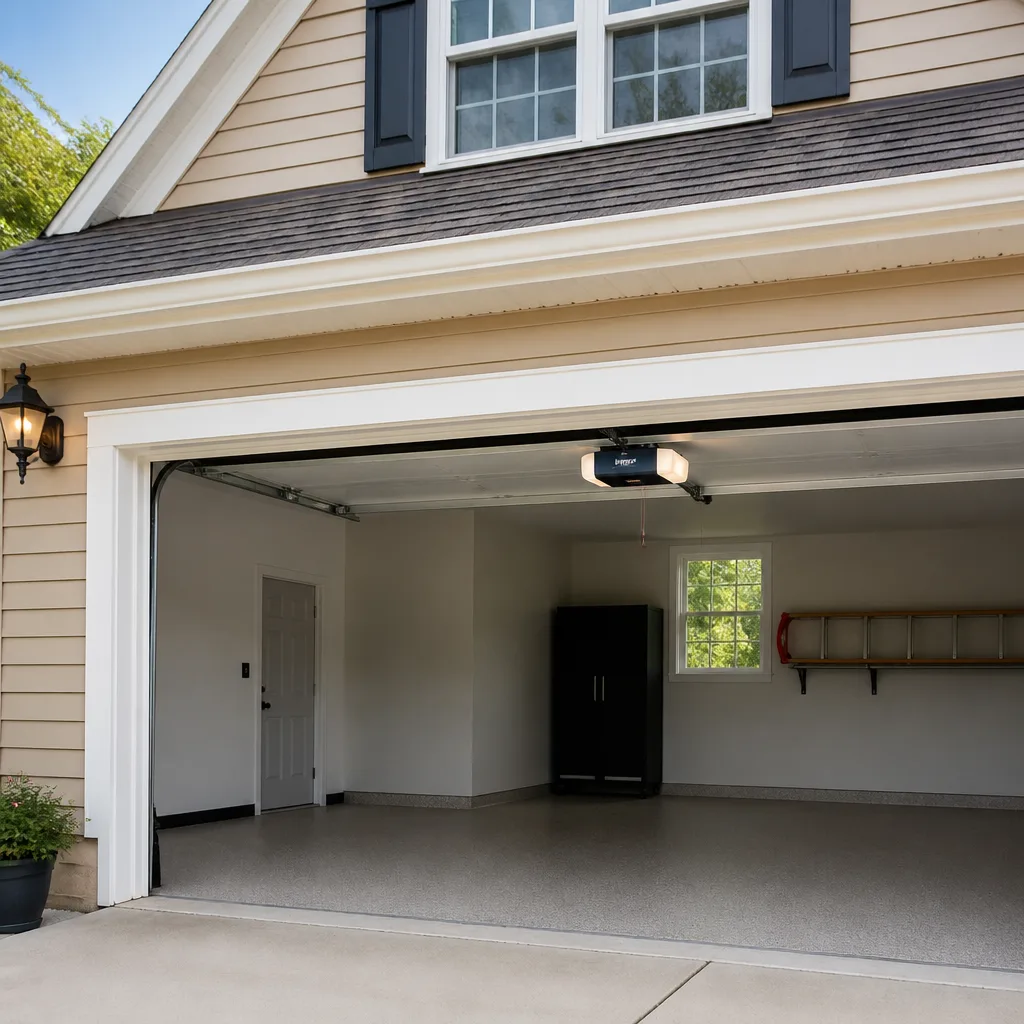 Chamberlain openers
Full 25-point door and opener safety check with every visit - springs, cables, rollers, tracks, and your LiftMaster or Chamberlain opener included
You get a price before we start. It does not change when the pro arrives.
Get your free estimateSeasonal Garage Door Care for Vernon: Year-Round Homeowner’s Guide
Most homeowners in Vernon treat garage door care as a spring cleaning chore – something to get to once the weather warms up. The problem is that the sequence matters more than the tasks themselves. A door lubricated in October instead of September is being serviced into a falling temperature curve, and cold metal doesn’t absorb lubricant the same way warm metal does. By the time a door starts groaning in January, the window for prevention has usually closed. This guide walks through what to do month by month in Vernon, why fall is the real maintenance season, and what to watch for as the ground freezes and thaws under your driveway.
Styles & brands we work with
- Raised-panel steel
- Carriage house
- Modern flush
- Full-view glass
- LiftMaster openers
- Chamberlain openers
Quick Answer
In Vernon, the garage door care calendar runs on frost dates, not holidays. The first hard frost typically arrives in mid-October and the last one clears around late April, which makes September and early October the critical window for lubrication and weatherstripping, and late April through May the right time to audit cables, drums, and bearings for winter damage. Summer heat is the best time to fix panel alignment and track issues, because warm metal adjusts more predictably than cold metal.
Table of Contents
- Why the Sequence of Garage Door Care Matters More Than the Tasks
- The Vernon Month-by-Month Garage Door Calendar
- Fall Preparation: Weatherstripping and Lubrication Before the First Frost
- Why Summer Is the Right Season for Panel and Track Alignment
- Freeze-Thaw Ground Movement and What It Does to Your Tracks
- The Post-Winter Audit: Cables, Drums, and Bearings
- Winter Operation: What to Do When the Door Won’t Move
- Common Mistakes to Avoid
- When to Call a Professional
- Frequently Asked Questions
- The Bottom Line
Why the Sequence of Garage Door Care Matters More Than the Tasks
A garage door has a set of moving parts that respond to temperature. Steel tracks expand and contract. Springs change tension as the metal cools. Grease thickens in cold and thins in heat. Rubber seals harden and crack when they cycle through freeze-thaw repeatedly. That means the same maintenance task can be easy or nearly useless depending on when you do it.
Lubrication done in September, when temperatures are still in the 60s, gives the lubricant time to work into the hinge pins, rollers, and spring coils before the cold sets in. Done in late November at 35 degrees, the same task leaves a thin film that never penetrates. Weatherstripping installed in October seals against a door still sitting at summer tolerance. Installing it in December means fitting it around a door that’s already shifted.
This is the part most care guides skip. In Vernon, the sequence runs lubrication, then seals, then track inspection, then hardware audit – and the window for the first two closes around the first frost. If you’re looking at a door that’s already struggling, our Garage Door Repair Vernon team can walk through what needs attention first.
What the Sequence Looks Like
- Early September: lubricate hinges, rollers, springs, and the opener rail.
- Late September to early October: inspect and replace bottom seal, side seals, and top seal in that order.
- October: check track alignment and tighten all fasteners before ground movement starts.
- November: test the opener’s safety reverse and balance the door.
- Late April to May: full post-winter audit of cables, drums, and bearings.
- June to August: panel and track alignment work, plus any hardware swaps.
The Vernon Month-by-Month Garage Door Calendar
Vernon sits in a four-season climate with a real winter. Average first frost lands around early-to-mid October and the last frost typically clears in late April. That gives roughly six months of cold and six months of warm, and the care calendar reflects that split.
January through February
Keep the door clear of snow and ice buildup at the bottom seal. Test the safety reverse monthly. Don’t force a frozen door – if the bottom seal has bonded to the concrete, a 2×4 and a rubber mallet to break the bond beats running the opener against it. If the door won’t move at all, that’s a call.
March through April
Watch for grinding, popping, or uneven travel as the ground thaws. The spring thaw is when track misalignment from winter frost heave usually becomes obvious. Note anything odd for the post-winter audit.
May through June
Full audit territory. Cables, drums, bearings, and rollers all get checked. Weatherstripping that survived winter but is compressed or cracked should be replaced now before summer heat makes the door sweat internally.
July through August
Best window for panel and track alignment. Heat expansion makes adjustment predictable. This is also the right time to service the opener – a LiftMaster or Genie unit that’s been working hard all winter benefits from a gear and lube inspection.
September through October
The critical prevention window. Lubrication first, then seals, then a full track tightening. This is the season most homeowners skip and then pay for in January.
November through December
Balance test, safety reverse test, and opener force adjustment. If the door has started to close unevenly as temperatures drop, don’t ignore it – that’s usually a spring or cable issue surfacing before real winter.
Fall Preparation: Weatherstripping and Lubrication Before the First Frost
Weatherstripping is the seal between your door and the outside. It’s also the first thing to fail in a Vernon winter because it takes the brunt of every freeze-thaw cycle. When you inspect it in early October, do it in a specific order because each seal tells you something about the one above it.
Priority order for weatherstripping inspection
- Bottom seal first. This is the thick rubber flap at the bottom of the door. Look for flattening, cracking, or a gap when the door is closed. If daylight shows through, cold air will too. This seal takes the most abuse and is the most common failure point.
- Side seals next. The vertical strips on either side of the door frame. Check for gaps at the corners where side meets bottom. That’s where wind-driven snow gets in.
- Top seal last. The header seal at the top of the opening. Less abused, but if the door has shifted, the top seal loses contact and you get a draught and a small water entry point.
Lubrication follows the same principle – do the parts that work hardest first. Hinge pins, then rollers, then the torsion spring coils, then the opener rail and chain or belt. Use a garage door specific lubricant, not general-purpose grease, because the viscosity matters at low temperatures. A door lubricated with the wrong product in October can feel like it’s dragging by December.
If your door is a Clopay or Amarr model with a specific seal profile, the seal needs to match that profile or it won’t sit properly against the threshold. Generic weatherstripping usually fails early in Vernon’s climate.
Why Summer Is the Right Season for Panel and Track Alignment
Panel and track alignment is a summer job, and it’s a job most homeowners try to do in the wrong season. Steel expands and contracts with temperature, and a section of track that’s been forced into a misalignment in cold weather is fighting the metal. In July, the same adjustment is closer to the natural resting shape and holds better.
Panel alignment matters for more than looks. A panel that’s out of line puts extra load on the hinges and rollers, which puts extra wear on the opener. Over a few winters, a misaligned section can turn into a cracked hinge or a bent roller stem, and by that point you’re into a real repair instead of a tune-up.
Summer is also the best time to look at your opener. Diagnostics for LiftMaster and Chamberlain systems are easier to run in warm weather when the mechanical parts are at their most predictable. If the opener has been struggling with a heavy door or a misaligned track, that issue is easier to isolate and fix now than in February.
What a summer alignment check covers
- Vertical and horizontal track plumb and level
- Panel gaps between sections (more than a small gap means a hinge or roller issue)
- Roller wear pattern on the track surface
- Hinge fastener torque
- Door balance with the opener disconnected
Freeze-Thaw Ground Movement and What It Does to Your Tracks
Vernon’s track issues don’t all come from inside the garage. The ground under the driveway slab moves through winter. When moisture in the soil freezes it expands, and when it thaws it settles back – often not in the same place. Repeat that cycle over a winter and the slab under your door shifts, tilts, or lifts at one corner.
Your garage door tracks are anchored to the framing of the garage, not the slab, but the slab is what your door sits on. When the slab moves, several things happen at once. The bottom seal loses contact. The door itself can look off-kilter even if the tracks are fine. And the threshold between the slab and the door frame opens a gap that lets water in during spring melt.
What to watch for as the ground moves
- Daylight or water at one corner of the bottom seal. This is the earliest sign of slab movement.
- A door that closes level but sits unevenly on the slab. Tracks are fine, slab isn’t.
- Track brackets that have visibly shifted. Look at the bolt holes – if the bracket is no longer centered over the hole, something moved.
- A single side of the door that’s harder to lift. Usually a track that’s been torqued out of plumb by ground movement.
Any of those signs are worth a look before winter. Our garage door repair team sees this pattern most often in April and May, when the thaw has finished and the ground is at its most settled. If your slab has moved enough that the door won’t seal, the fix is often a track adjustment plus a fresh bottom seal, not a structural repair.
The Post-Winter Audit: Cables, Drums, and Bearings
Winter damage isn’t always visible. A door that opens and closes in May can still have a cable that’s lost a strand, a drum that’s slightly out of balance, or a bearing that’s been running dry since January. These aren’t cosmetic – they’re the parts that fail catastrophically when they fail at all.
What the audit covers
- Cables. Look for fraying, kinks, or stretched sections. A cable with even one broken strand is a safety risk and should be replaced, not re-tensioned.
- Drums. The cable drums at the top of the door hold cable in a groove. If the cable has jumped the groove or the drum is worn, that’s a replacement, not an adjustment.
- Bearings. Listen for grinding or squealing when the door moves. A dry bearing doesn’t usually fail loudly – it just wears its housing until the whole assembly needs replacing.
- Springs. Torsion springs lose tension over winter. Check the door balance – if it won’t hold halfway open, the springs are due for a look. Spring work is not a DIY job. The spring system holds the entire weight of the door and releases it violently if handled wrong. Call a trained technician for garage door spring repair – this is safety equipment, not a maintenance item.
- Rollers and hinges. Wear is expected. Replacement is cheap. Ignoring them is what costs.
Our technicians have up to 12 years of experience and have seen how differently a Wayne Dalton door wears compared to a Clopay in the same driveway, so the audit isn’t generic. It’s specific to what’s actually installed.
Winter Operation: What to Do When the Door Won’t Move
When a door stops moving in the middle of winter, the first question is whether it’s a mechanical failure or a frozen seal. Those are very different situations and they call for very different responses.
If the door won’t open at all
- Check the opener – does the light come on? Does the motor run but the door not move? That’s a disconnect or a broken spring.
- Look at the bottom seal. Is it bonded to the concrete? If yes, break the bond with a block and mallet before running the opener again.
- Check the tracks for ice buildup at the bottom. Ice in the track will stop the rollers.
- If the motor runs but the door doesn’t move, stop running the opener. A broken spring with a running opener can damage the door and the opener both.
If it’s a spring or cable failure, don’t force anything. Call (877) 492-3186. We answer 24/7. Fast dispatch from 7am to 7pm, Sunday through Friday. Cables and springs under load are dangerous – the door can drop without warning.
If the door opens but the opener acts up
That’s a different diagnosis. Cold weather affects opener force settings, and older Genie or Craftsman units in particular can start reversing on their own in January because the door is slightly heavier than it was in September. That’s an adjustment, not a replacement – but it should be done by someone who knows the model. Our garage door opener repair team handles model-specific diagnostics for LiftMaster, Chamberlain, Genie, and Craftsman, so the fix is right for the opener that’s actually on your ceiling.
Common Mistakes to Avoid
- Lubricating in October instead of September. Once temperatures drop, lubricant doesn’t penetrate. Do it before the first frost or wait until spring.
- Replacing only the bottom seal and ignoring the sides. A new bottom seal with old side seals still lets cold air and water in at the corners.
- Trying to adjust torsion springs yourself. Springs under load can cause serious injury. This is the one maintenance task that should always go to a trained technician.
- Ignoring a door that closes unevenly. A door that’s out of level in November is usually a spring or track issue that will be worse in February.
- Skipping the summer alignment check. Panel and track adjustments hold much better when done in warm weather. Doing them in cold metal just means doing them again next year.
- Running the opener against a frozen seal. This strips gears and burns out motors. Break the bond manually first.
- Assuming a working door doesn’t need an audit. Cables, drums, and bearings fail without warning signs you can see from the driveway. The spring audit is what catches them.
When to Call a Professional
Some of the seasonal work in this guide is genuinely homeowner-friendly – lubrication, weatherstripping inspection, safety reverse testing. But there’s a short list where a professional is the only safe option. Spring work is the top of that list. Cables under tension, drums that hold cable, anything involving opener force calibration or track realignment after ground movement – those are the jobs where a small mistake turns a tune-up into a door replacement.
If your door won’t open or close, if it’s making a sound it didn’t make last month, if it’s started reversing on its own, or if the bottom seal has developed a gap that weatherstripping won’t fix, call us.
Garage Door Repair Vernon offers free estimates in Vernon. Call (877) 492-3186. We answer 24/7. Fast dispatch from 7am to 7pm, Sunday through Friday. The price is quoted and agreed before any work starts, so there’s no surprise on the invoice.
Frequently Asked Questions
September is the best month for lubrication and weatherstripping because it’s before the first frost (typically early to mid-October). The post-winter audit should happen in late April or May, once the ground has finished thawing. Those two windows cover about 80 percent of what a garage door needs in Vernon’s climate. Call (877) 492-3186 for an exact quote – estimates are free.
You can lubricate the outside of torsion spring coils safely, but only when the door is fully closed and the spring is under normal tension. Do not attempt to adjust, unwind, or replace the springs themselves. Springs hold the full weight of the door and can release that energy suddenly. That’s a trained technician job, and we treat it as a safety-critical procedure. If your springs are the question, call (877) 492-3186.
Cold metal contracts, lubricant thickens, and springs lose tension as temperatures drop. A door that felt balanced in September can feel heavy by January. If the door is struggling, the fix is usually a balance adjustment or a fresh lubrication pass – not a new opener. Call (877) 492-3186 to get it checked before the real cold hits.
Look for flattening, cracking, or daylight showing through when the door is closed. Check the bottom seal first, then the side seals, then the top seal. If any of the three is compromised, replace it before winter. If you’re not sure, we can inspect it as part of a service call – call (877) 492-3186 for a free estimate.
That depends on the age and condition of the panels, not just the failure. A 10-year-old door with a snapped spring and solid panels is usually worth repairing. A door with rusted panels, a bent bottom section, and repeated hardware failures is usually better replaced. We handle both – repair and full installation, including Clopay, Amarr, Wayne Dalton, and Raynor lines – so the answer isn’t biased toward one option. Call (877) 492-3186 and we’ll tell you which makes sense for your door.
No. The written estimate sets the price before any work starts. If we find something else once we’re in there, we tell you before we touch it and you decide. There’s no surprise invoice. Call (877) 492-3186 for a free estimate on your door.
The Bottom Line
Garage door care in Vernon runs on the calendar, not on how the door feels. The most important window is September, when lubrication and weatherstripping actually take. The second most important is late April, when the post-winter audit catches what winter did to cables, drums, and bearings. Summer is for alignment and opener diagnostics. Winter is for careful operation and quick calls when something fails. Homeowners who follow the sequence spend less on repairs and less on replacement. If you’re not sure where your door is in that cycle, we’re happy to look.
Call (877) 492-3186. We answer 24/7. Fast dispatch from 7am to 7pm, Sunday through Friday.
Written by the team at Garage Door Repair Vernon.
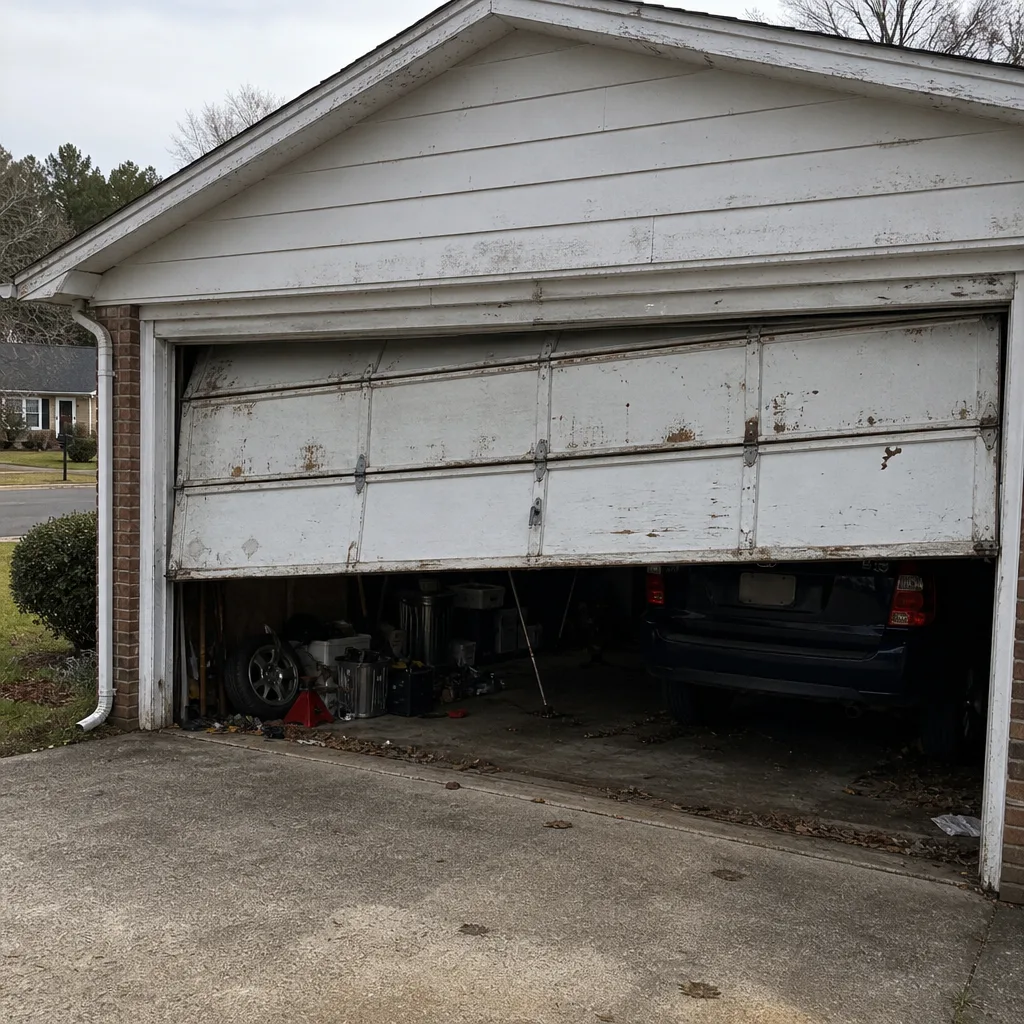
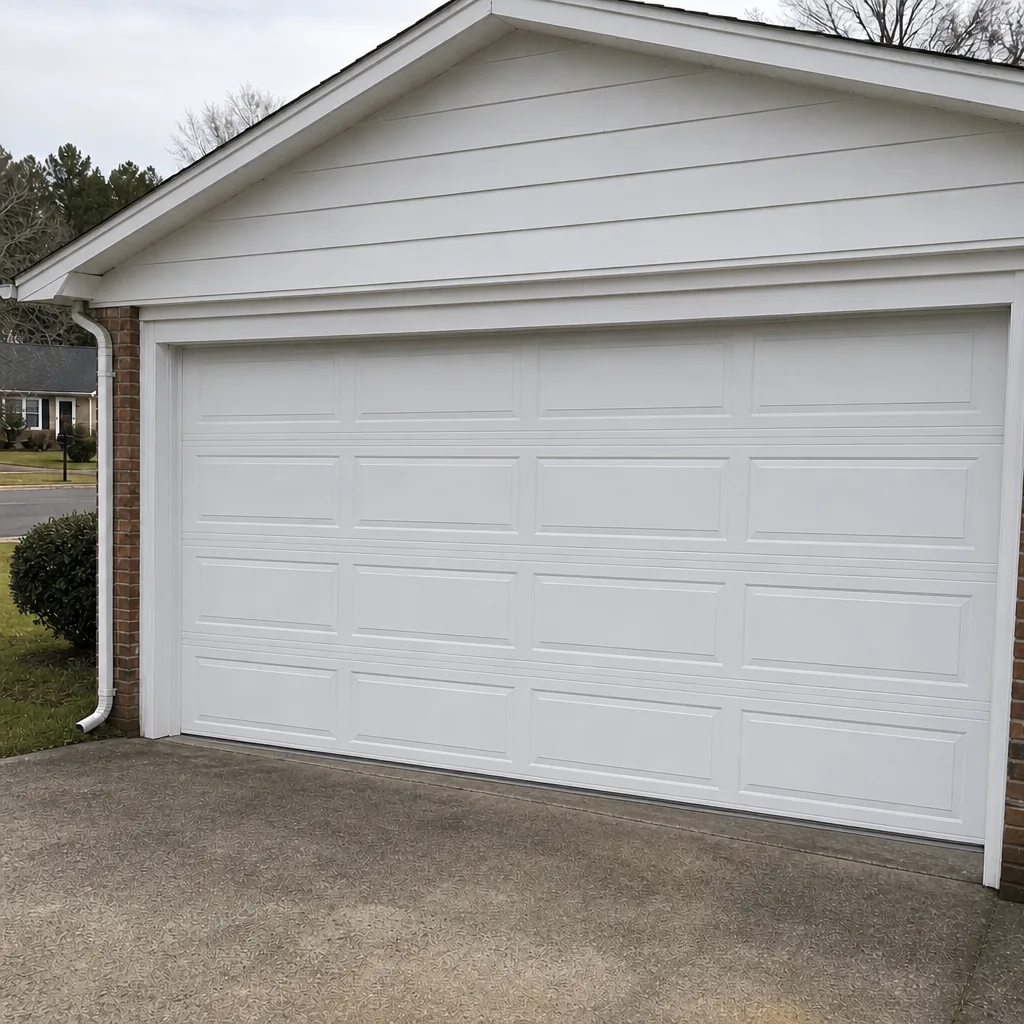
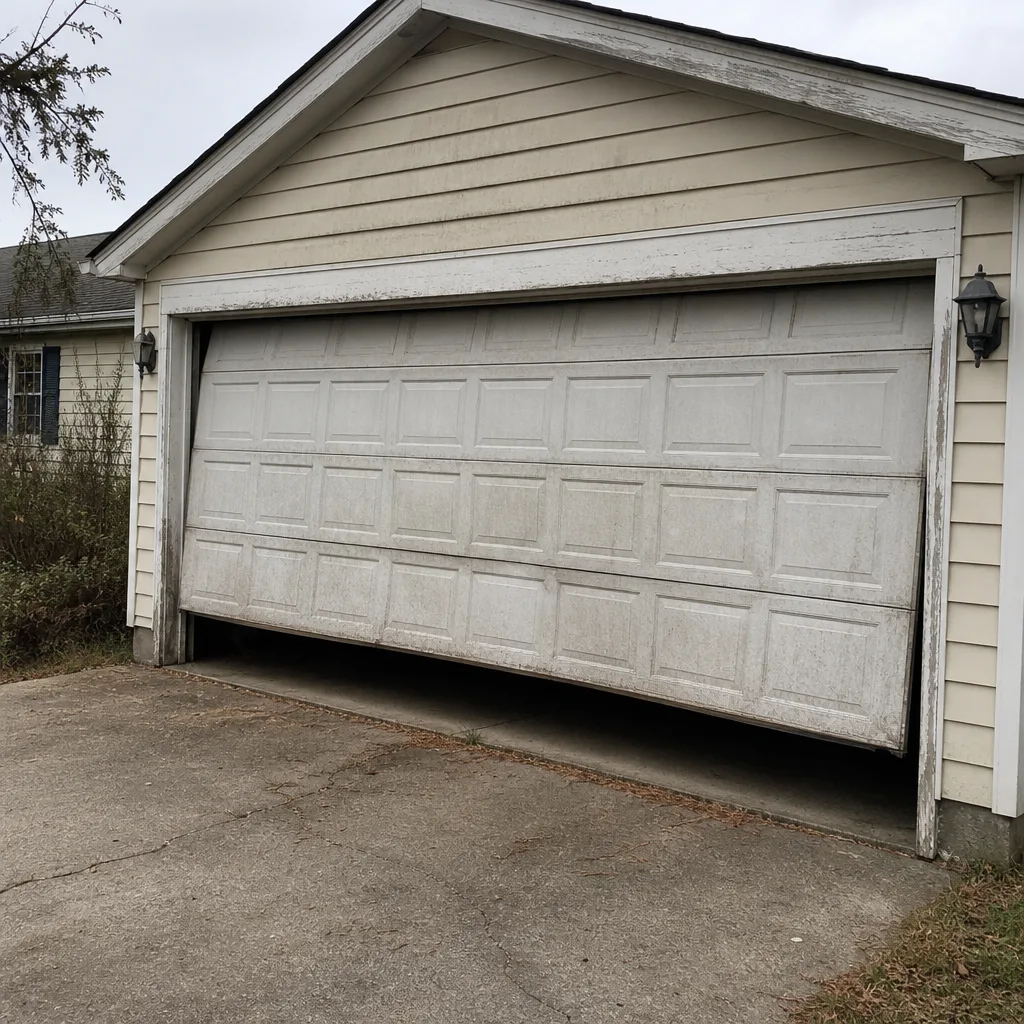
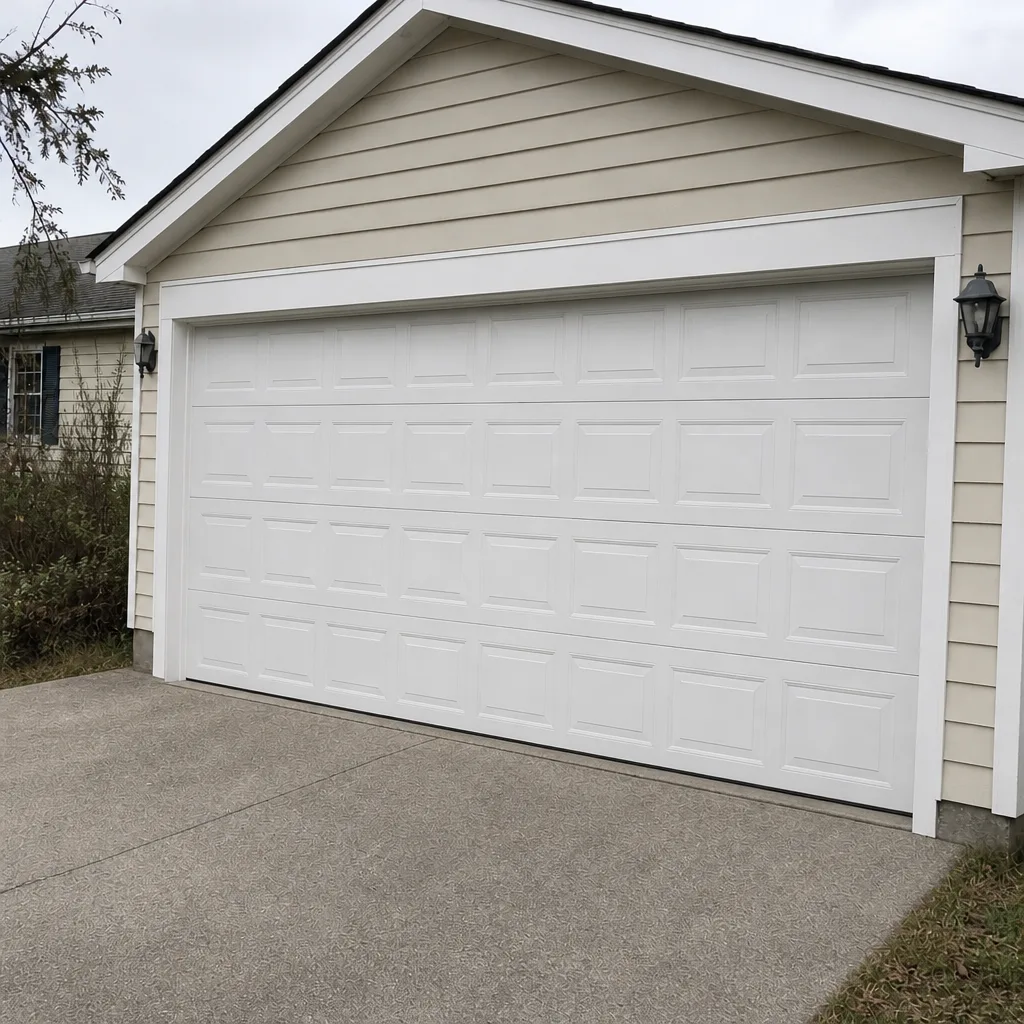
See the difference
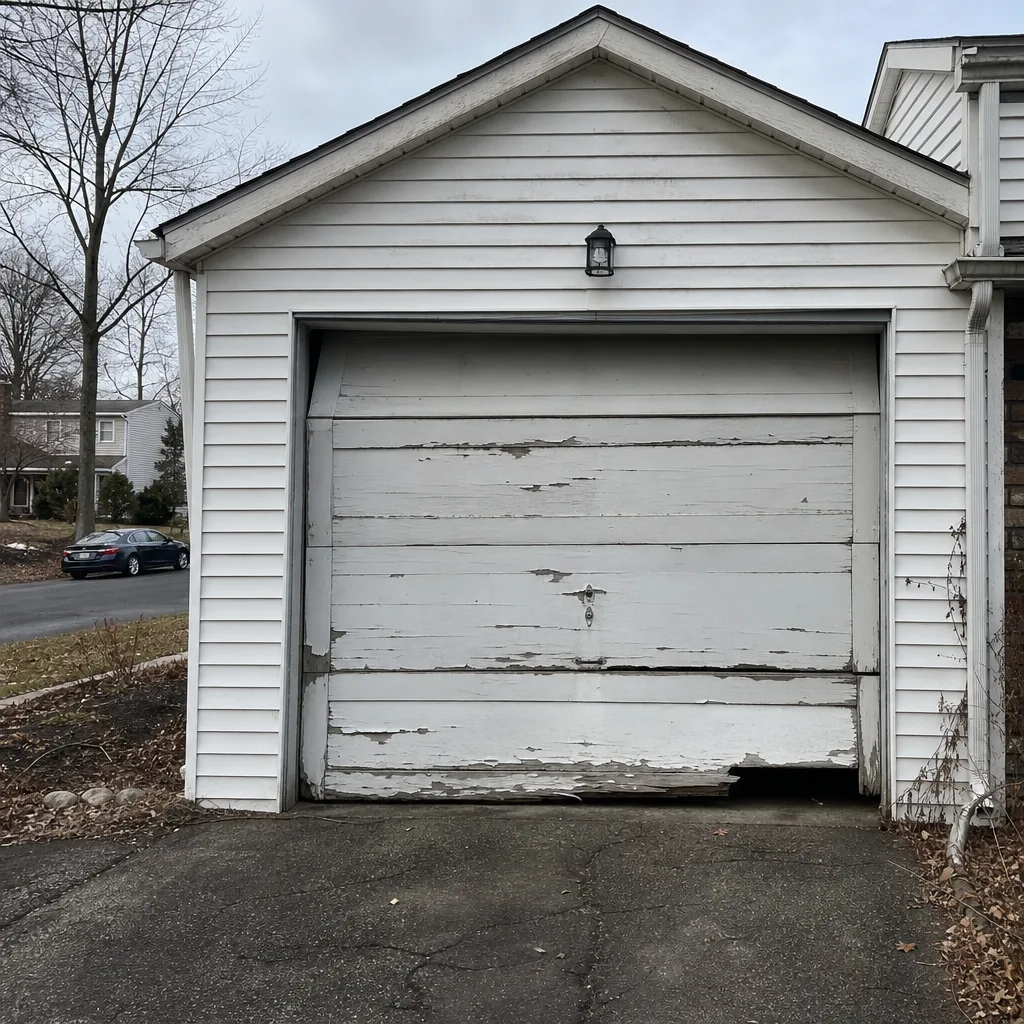 Before
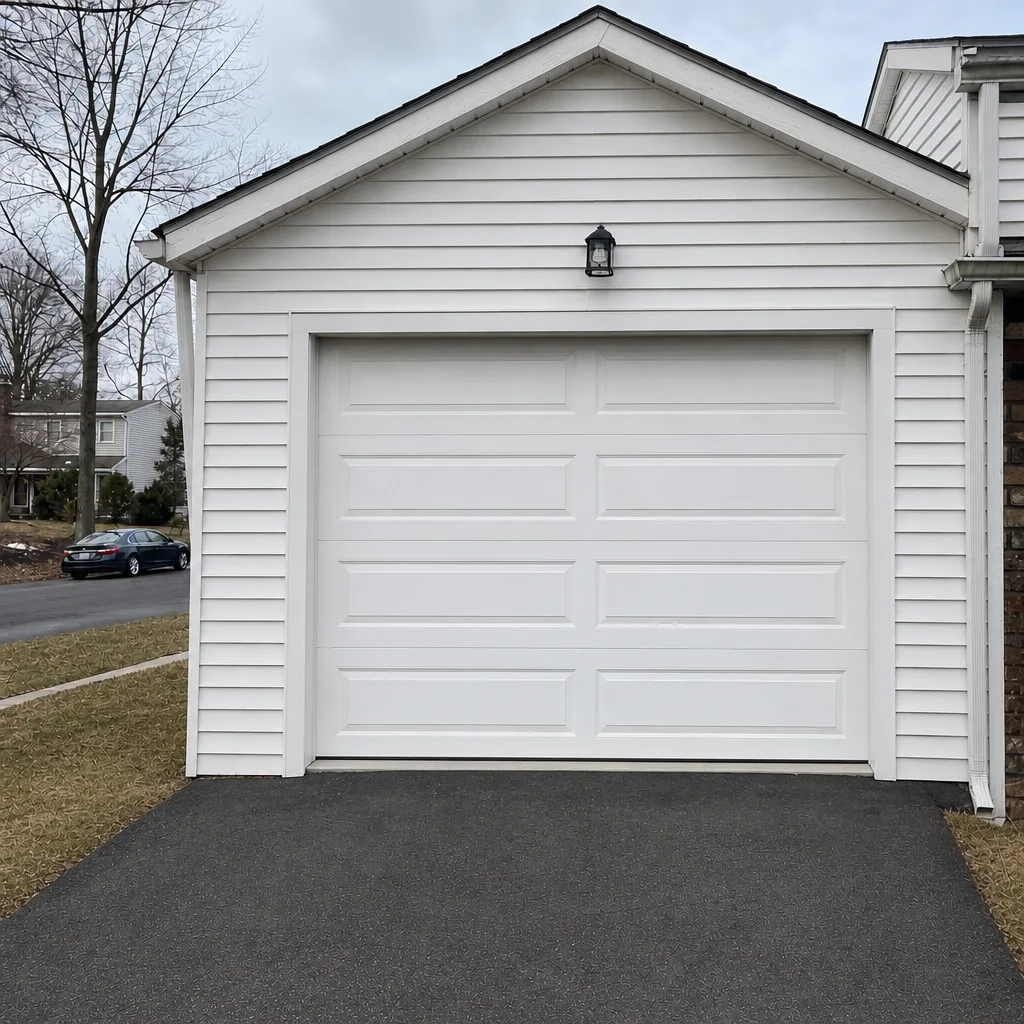 After
 Before
 After
 Before
 After