
Last updated November 22, 2026
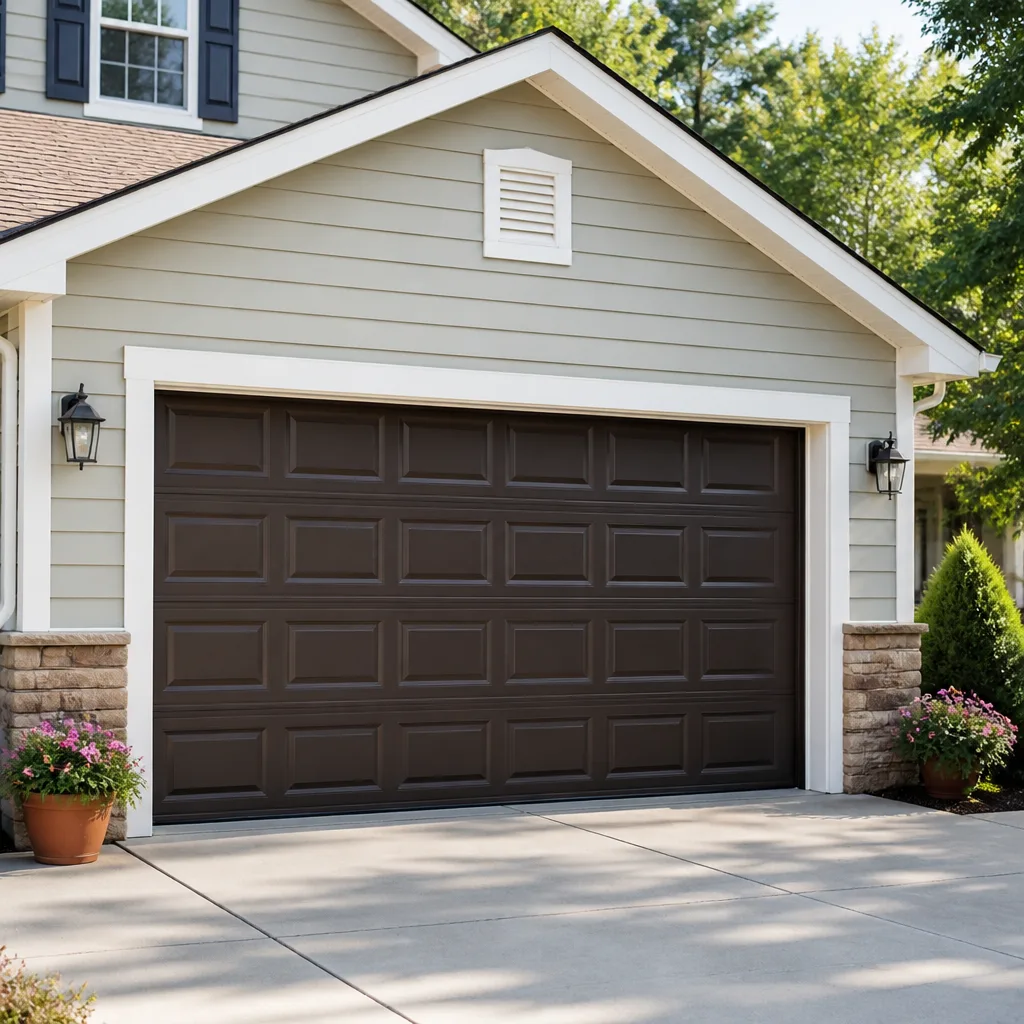 Raised-panel steel
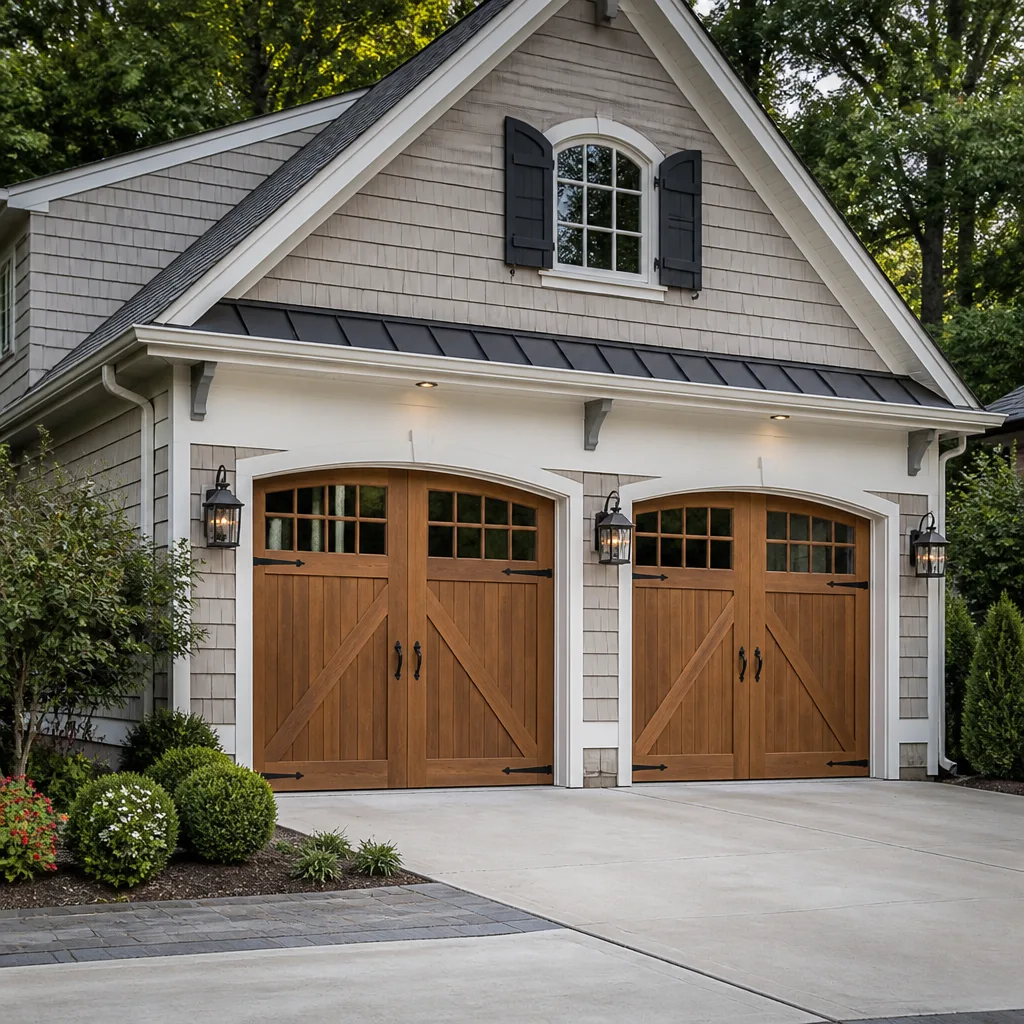 Carriage house
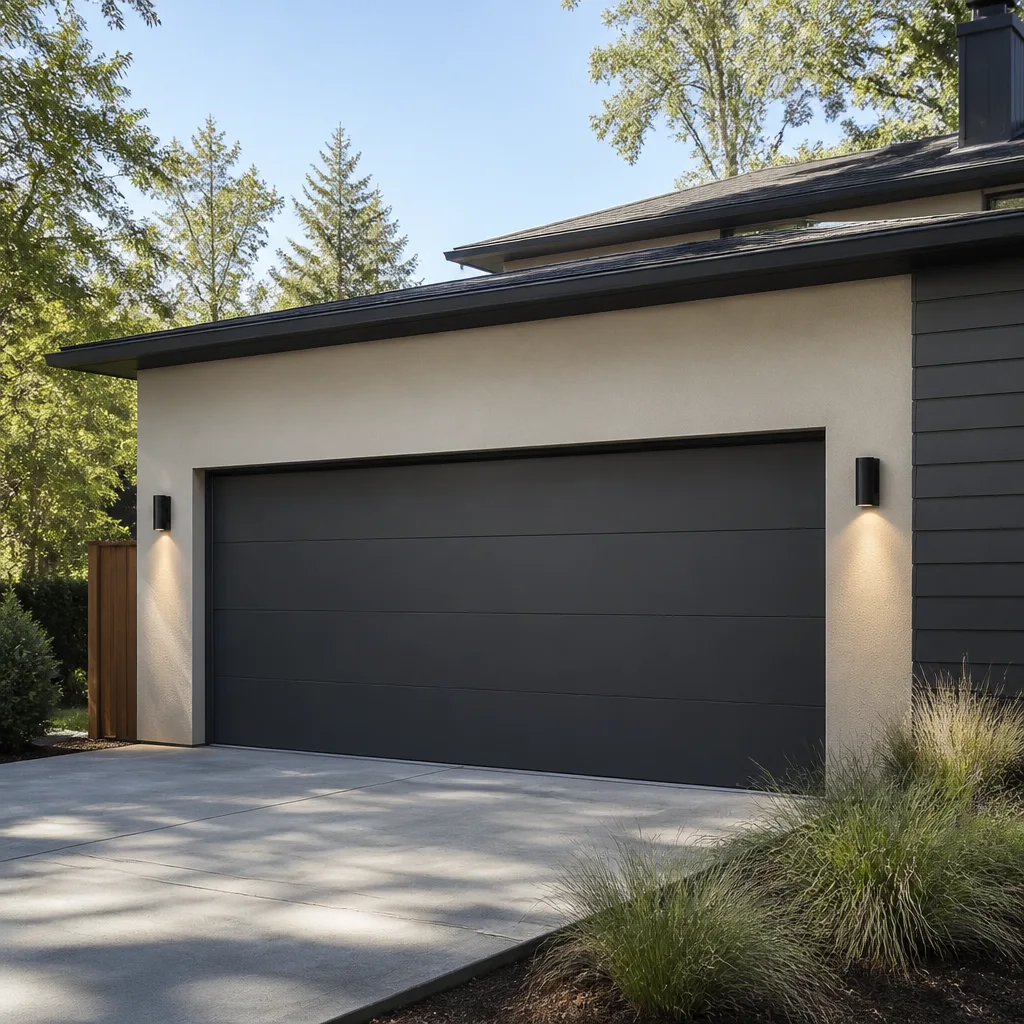 Modern flush
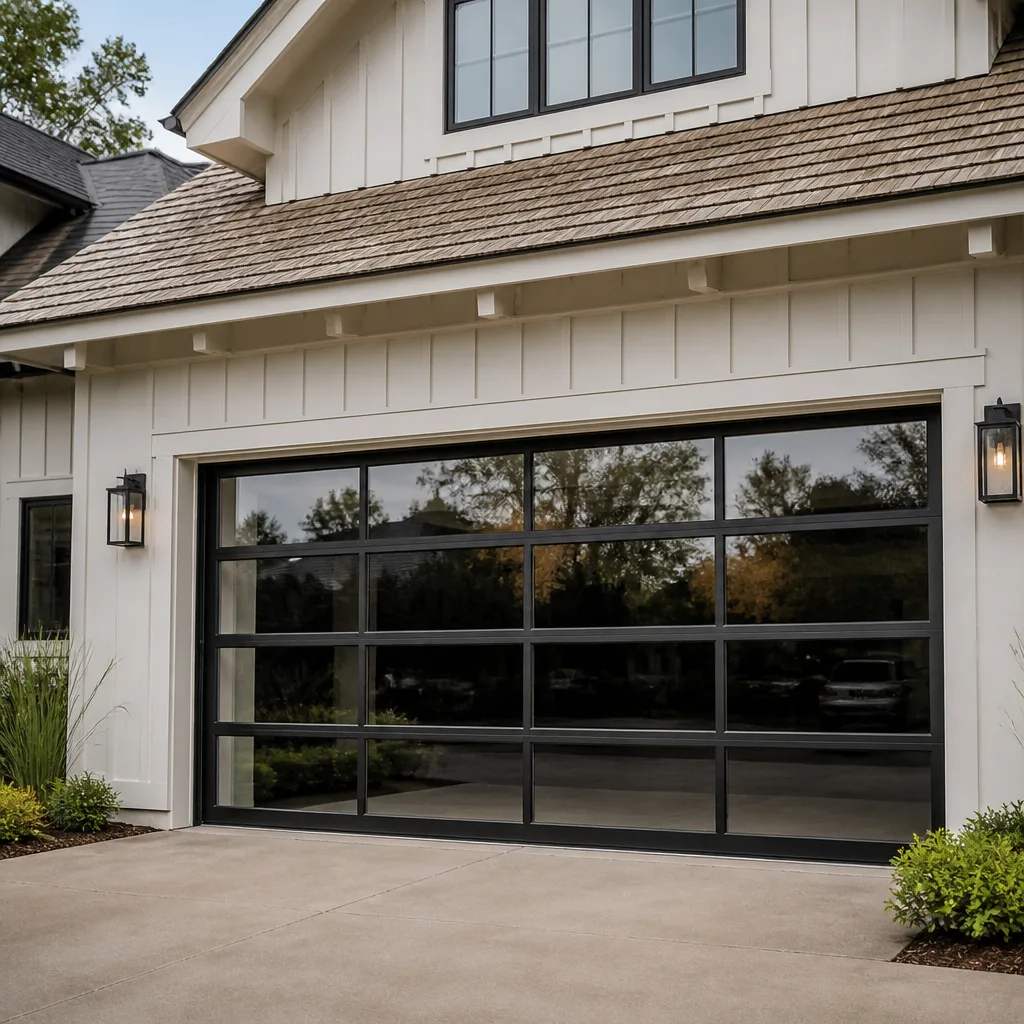 Full-view glass
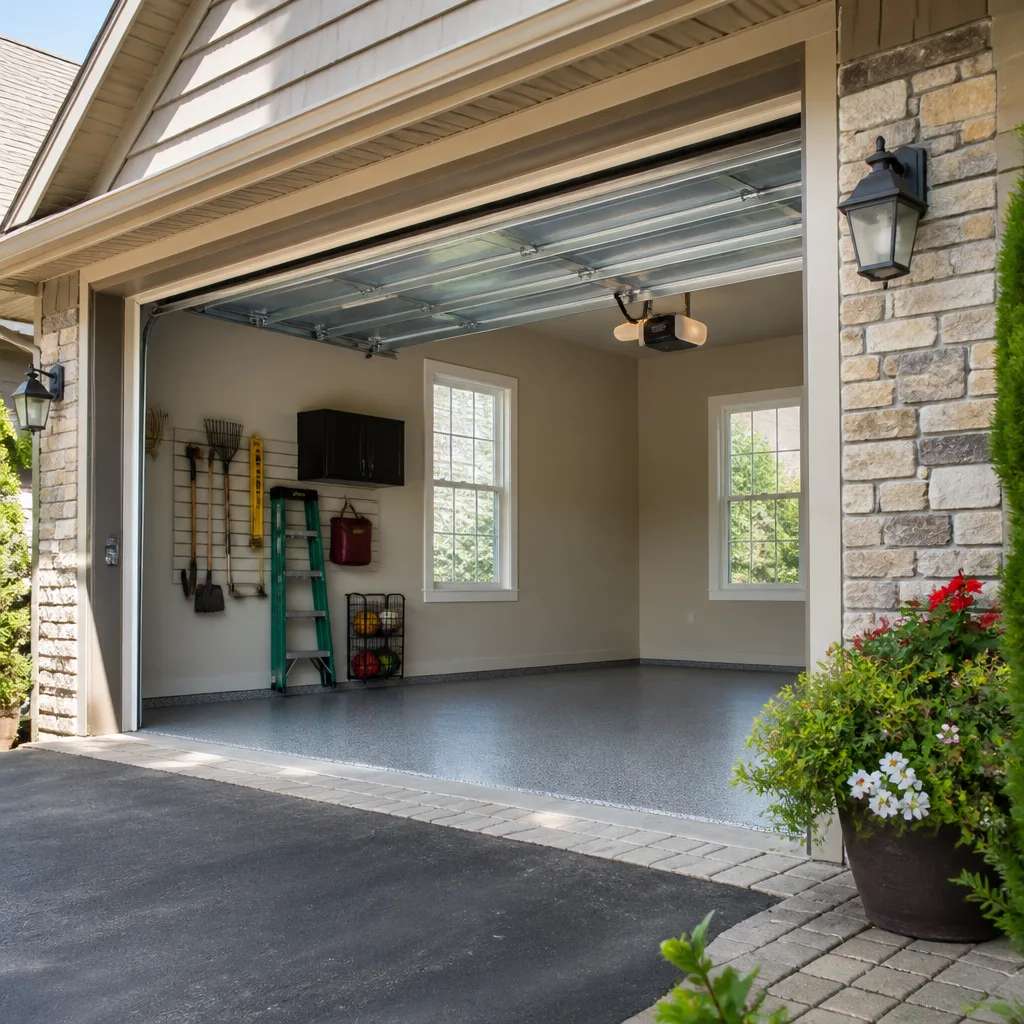 LiftMaster openers
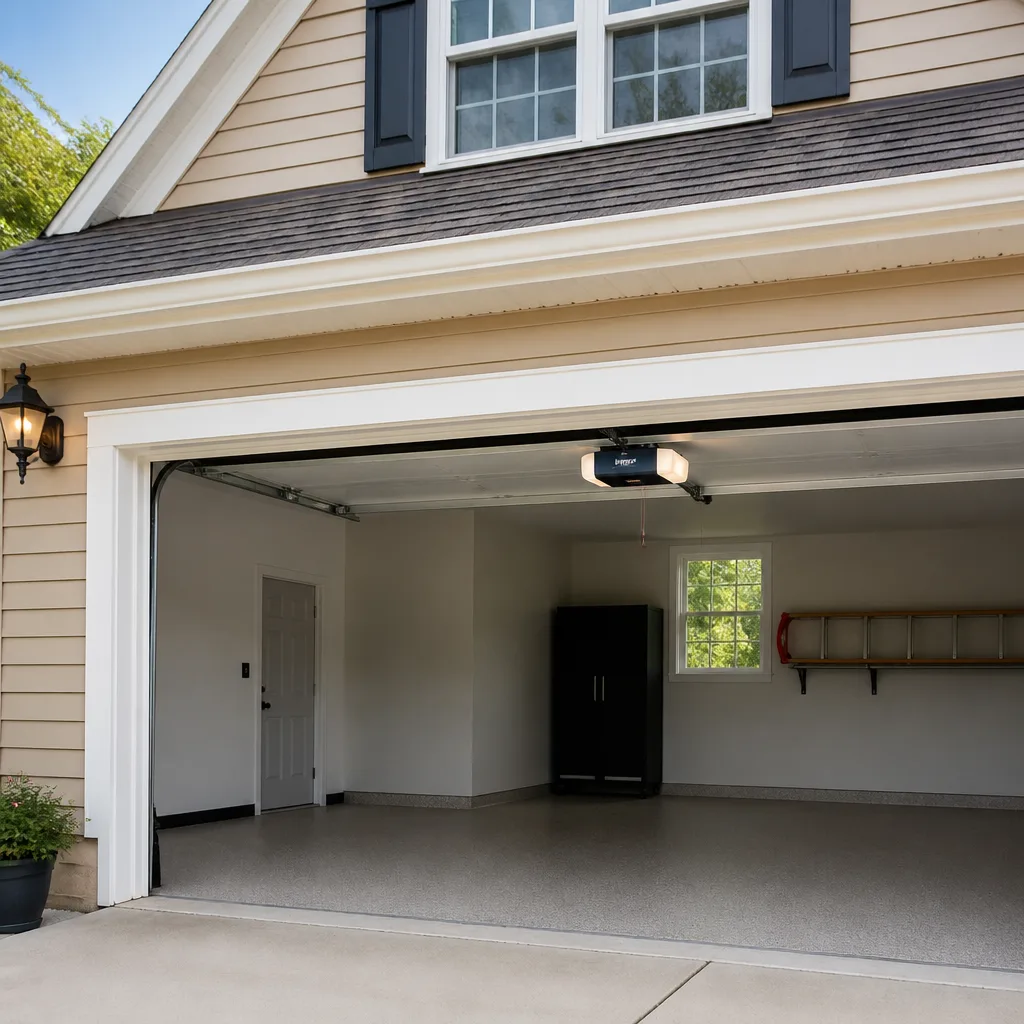 Chamberlain openers
Full 25-point door and opener safety check with every visit - springs, cables, rollers, tracks, and your LiftMaster or Chamberlain opener included
You get a price before we start. It does not change when the pro arrives.
Get your free estimateGarage Door Emergency Preparedness Guide for Vernon Homes
Most Vernon homeowners have thought carefully about winter. You know where the flashlights are, you’ve got the generator squared away, and you’ve probably got a plan for the wood stove or the space heater. But almost nobody has thought through the garage door. When the power drops in Vernon after an ice storm, the door stops where it is, and suddenly the car is trapped inside and the largest opening in your house is stuck in whatever position it failed. That’s the gap this guide fills. You’ll learn how to release the door by hand without damaging it, how to lock it down during a long outage, what to keep in the garage for a temporary fix, and what to tell us when you call. It’s the prep work that takes twenty minutes now and saves a very cold evening later.
Quick Answer
The single most important piece of garage door emergency prep is knowing how to use your manual release cord and knowing that you should only pull it when the door is fully closed. Second is having a way to secure the door from the inside once it’s been released, since a disconnected door can be lifted by hand from outside. Third is having the right number saved and knowing your opener’s brand and model, because that’s what lets a technician bring the correct parts on the first visit instead of the second.
Key Takeaways
- Pull the manual release only with the door fully closed. Doing it with the door up is the mistake that bends trolleys and drops doors.
- A released door has no lock. Secure it before you go to bed.
- Know your opener brand and model number. It’s printed on the motor head or inside the light cover.
- Battery backup openers help during short outages but struggle in sustained cold unless the battery is healthy.
- Springs and cables are never a homeowner job. Call for those.
Styles & brands we work with
- Raised-panel steel
- Carriage house
- Modern flush
- Full-view glass
- LiftMaster openers
- Chamberlain openers
Table of Contents
- Why garage door emergencies hit Vernon homes differently
- How to use the manual release on the openers in Vernon homes
- How to secure a released door during an extended outage
- What to keep on hand for a temporary repair
- Battery backup openers and Connecticut’s grid
- Who to call and exactly what to tell them
- What to do when the power is out and the door won’t move
- What’s safe to handle yourself and what isn’t
Why Garage Door Emergencies Hit Vernon Homes Differently
Vernon’s housing stock and weather combine in a way that makes garage door failures more disruptive than they’d be in a milder climate. The town sits in the hills of Tolland County, and the ice storms that roll through don’t just knock out power for an hour. They can take the grid down for a day or more while crews work through downed lines on the side roads. When that happens, the garage becomes the pivot point of the whole house. It’s where the car lives, it’s often the door everyone actually uses, and it’s the biggest unheated opening in the building envelope. A door stuck open in January pulls cold air into the house and, more urgently, leaves everything in the garage visible and reachable from the driveway.
The other factor is the age of the doors themselves. Plenty of homes around Vernon have openers that were installed well before the smart-home era, and a lot of those units still work fine. The problem is that the homeowner has never had a reason to learn how the release mechanism functions, so the first time they need it, it’s dark, it’s cold, and the car is stuck inside. We’ve taken calls from Vernon homeowners who spent an hour looking for a release cord that had been tied up out of reach years earlier.
There’s also the slope of the driveways here. Many Vernon properties have a pitch to the driveway, which means a released door on an incline behaves differently than one on flat ground. It will drift. If you’ve released it with the door up, that drift is gravity taking over a door that weighs well over a hundred pounds. That’s why the release procedure matters so much, and why we treat spring and balance work as a safety procedure rather than a quick swap.
How to Use the Manual Release on the Openers in Vernon Homes
The manual release is a cord hanging from the trolley that rides on the rail above your door. Pulling it disconnects the door from the opener motor so you can lift it by hand. On the LiftMaster and Chamberlain openers that are common in Vernon garages, the cord is usually red-handled and hangs down toward the door. On Genie units it’s often a metal T-handle. The principle is the same on all of them, but the operation has one non-negotiable rule.
Only pull the release when the door is fully closed. This is the whole game. If you pull it while the door is up, the door is no longer held by the opener, and it can come down under its own weight or run up the track if the springs are unbalanced. That’s how doors get dropped, and it’s how trolleys get bent out of alignment, which turns a power outage into a repair bill.
- Make sure the door is all the way down and resting on the floor.
- Stand clear of the door’s path, off to one side rather than directly under it.
- Pull the release cord straight down firmly and let the trolley disengage. You’ll hear or feel it release.
- Lift the door slowly by hand using the bottom section. A balanced door should come up with moderate effort. If it feels extremely heavy or won’t stay up, stop and don’t force it.
- To reconnect, raise the door fully by hand, then pull the release cord again to re-engage the trolley, or follow your model’s reconnect procedure. Run the opener once to confirm it catches.
The most common mistake we see isn’t pulling the cord wrong. It’s pulling it at the wrong time, with the door half up, because someone panicked and reached for the cord first. If the door is stuck partway and you can’t get it down, don’t release it. Call us and we’ll walk you through the safe next step.
How to Secure a Released Door During an Extended Outage
Once you’ve pulled the manual release, your door is unlocked. That’s not obvious to most people, and it’s the part of the emergency that actually matters for security. A disconnected door has no resistance from the opener, so anyone can walk up the driveway, grab the bottom handle, and lift it. During a multi-day outage in Vernon, when people are out checking on neighbors and the streets are quiet, that’s a real exposure.
- Use a vise grip on the track. Clamp a locking pliers onto the vertical track just above a roller on each side. The roller can’t pass the clamp, so the door can’t be lifted more than an inch or two from outside.
- Use a C-clamp on the rail. On many openers, a C-clamp or a padlock through the rail behind the trolley will stop the trolley from traveling.
- Lock the door’s own slide lock if it has one. Many older doors in Vernon still have the manual slide bolt on the inside. Use it. It’s the simplest lock you’ve got.
- Park a car against the inside of the door as a last resort if you have no hardware. It’s not elegant, but it works, and it keeps the door from being opened from outside.
Remove every one of these before you run the opener again. A clamp left on the track is a guaranteed way to strip a gear or bend a roller the first time the power comes back and the motor tries to move. We’ve seen that happen and it turns a free fix into a paid one. If you’re not sure your door has a slide lock or where the roller is, take a photo and call. We’d rather answer that question than sell you a gear replacement.
What to Keep on Hand for a Temporary Repair
A small, cheap kit in the garage covers most of what you’ll need between the outage and the technician’s arrival. None of it involves springs or cables, which are strictly off-limits for homeowners. But for a door that’s been released, a door that’s stuck, or a door that won’t stay shut, this is the stuff that buys you time.
- Two locking pliers (vise grips), one for each track.
- A C-clamp sized to fit your opener rail.
- A padlock or a short length of chain for the rail if your model allows it.
- A flashlight that lives in the garage, not in the house. And spare batteries.
- A marker and a piece of tape to note your opener’s brand and model number before you need it.
- Work gloves for lifting the door by hand, since the bottom section edge is sharp.
- A printed card with our number on it, because the internet isn’t available during an outage.
The one thing we’d add is a note of your door’s brand, weight class and approximate size, if you know it. Doors from Clopay, Amarr, Wayne Dalton and Raynor are all common in this area, and knowing which one you have helps us match a repair part instead of guessing. That’s not a sales pitch. It’s the difference between one visit and two, and the technicians here have up to 12 years of experience working on all four of those lines.
Battery Backup Openers and Connecticut’s Grid
Battery backup openers are the single best prep upgrade for a Vernon home, but they aren’t magic. The idea is simple: a battery in the opener head takes over when the house power drops, so the door still opens and closes normally for a while. That solves the “car trapped inside” problem completely. The catch is that batteries don’t love the cold, and Vernon garages get cold. A lead-acid battery in an unheated garage loses a meaningful chunk of its capacity as the temperature drops, and one that’s three or four years old may not have enough left to lift a heavy door even once.
Which models work best here? Battery backup is common across the LiftMaster and Chamberlain lines, and Genie offers units with backup as well. The feature matters more than the brand. What matters just as much is the health of the battery. A healthy backup unit will cycle the door several times during an outage. A tired one will cycle it once and quit. If your opener has a backup battery, test it before winter, and replace the battery on the schedule the manufacturer recommends rather than waiting for it to fail.
For homeowners shopping for a new opener in Vernon, the honest advice is to prioritize a unit with a tested backup and a belt drive, which runs quieter and is easier on the door than a chain drive in a cold garage. That’s a routine upgrade, not an emergency. It’s measured and scheduled, and the price is set in writing before anything is ordered.
Who to Call and Exactly What to Tell Them
When the door is stuck, the call itself is the part people fumble. A technician who has to ask you five questions before they can dispatch is a technician who arrives later than they should. Have this information ready and the call takes ninety seconds.
- Your address and the best way to reach you. Sounds obvious. It’s the thing people forget when the power’s out and the cell signal is weak.
- Your opener’s brand and model number. LiftMaster, Chamberlain, Genie, Craftsman. It’s on the motor head or inside the light cover.
- What the door is doing. Won’t open, won’t close, opens partway and stops, runs but the door doesn’t move, or the door is stuck down with the car inside.
- Whether you’ve pulled the manual release. Say yes even if you’re not sure it worked. Tell us if you pulled it with the door up.
- Whether the door is secure. That tells us the urgency of the visit.
- Your door’s brand and material. Steel, wood, insulated, Clopay, Amarr, Wayne Dalton, Raynor. It helps with parts.
Then say whether you need it today. We answer 24/7, and dispatch runs from 7am to 7pm, Sunday through Friday. If a door fails on a Saturday, call and we’ll book you for Sunday. For a power-outage situation where the door is just released and the car is out, we’ll walk you through reconnecting it if you’d rather not wait.
What to Do When the Power Is Out and the Door Won’t Move
The power’s out, the car is in the garage, and you need to leave. This is the exact scenario that generates the most calls during a Connecticut ice storm, and it has a clean answer: use the manual release, then re-secure the door. If the door is fully closed, pull the release, lift the door by hand, back the car out, then lower the door and secure it with the clamps we described. If the door is up when the power fails, leave the release alone. The opener is holding it in position, and the safest thing is to leave it there until the power comes back or until we can get a technician out.
The other thing to check before you panic is the wall outlet. It’s easy to overlook a tripped GFCI in the garage, especially if the outlet is behind something. Test and reset the outlet, then try the wall button. If the opener is dead but the outlet is live, the problem is in the unit. If the outlet is dead and everything else in the house works, the GFCI is your suspect.
If the opener is completely dead and the power’s on, the diagnosis is a job for a technician. That’s where garage door opener repair comes in, and the diagnostic matters more than the part. A motor that’s dead, a gear that’s stripped and a board that’s failed all look the same from the driveway. We diagnose the model before we order anything, which is why we work on the four brands above rather than swapping in a generic unit.
What’s Safe to Handle Yourself and What Isn’t
Some garage door problems are genuinely homeowner-level. Some are genuinely dangerous. The line between them is not fuzzy, and it’s worth drawing clearly for Vernon homeowners before winter.
Safe to handle yourself: pulling the manual release with the door closed, clamping the track, resetting a GFCI, testing a wall button, replacing an opener battery, clearing debris from the photo-eye lenses, and lubricating the rollers and hinges with a manufacturer-approved lubricant.
Not safe, at any point: anything involving torsion springs, extension springs, cables, drums or the counterbalance system. A wound torsion spring stores enough energy to move a door and to injure a person, and it can release suddenly even after the power’s been off and the door’s been down for hours. Extension springs on older doors can fail with real force. The cables are under the same tension. There is no version of this work that a homeowner should attempt with hand tools and a video, and we won’t describe how. If your door is heavy by hand, won’t stay up, or makes a sharp bang when it moves, stop and call. Spring work is a safety procedure, and that’s a major part of what garage door spring repair involves.
For a door that’s simply off track, bent or noisy, the fix is routine garage door repair, and the sooner it’s done the less chance the opener gets damaged trying to force a misaligned door.
Common Mistakes to Avoid
- Pulling the manual release with the door up. This is the big one. It lets a heavy door drop or run, and it’s how trolleys get bent. Wait until the door is down.
- Leaving a released door unlocked overnight. A disconnected door has no lock and can be lifted from outside. Clamp the track before you go to bed.
- Forgetting to remove the clamps before reconnecting. When the power comes back, the opener will fight the clamp and lose. That’s a stripped gear, and it’s avoidable.
- Trying to lift a door that’s noticeably heavier than usual. Heavy means the springs or cables are compromised. Forcing it doesn’t fix the door, and it can drop it.
- Assuming a battery backup works without testing it. In a cold Vernon garage, a tired battery may cycle the door once and quit. Test it before the first ice storm, not during one.
- Calling without the opener’s brand and model. It’s the first thing a technician needs, and not having it means a second visit or a wrong part. Photograph the label now.
- Storing the flashlight in the house. During an outage, the one tool you need most is the one you didn’t leave where you’d need it.
See the difference
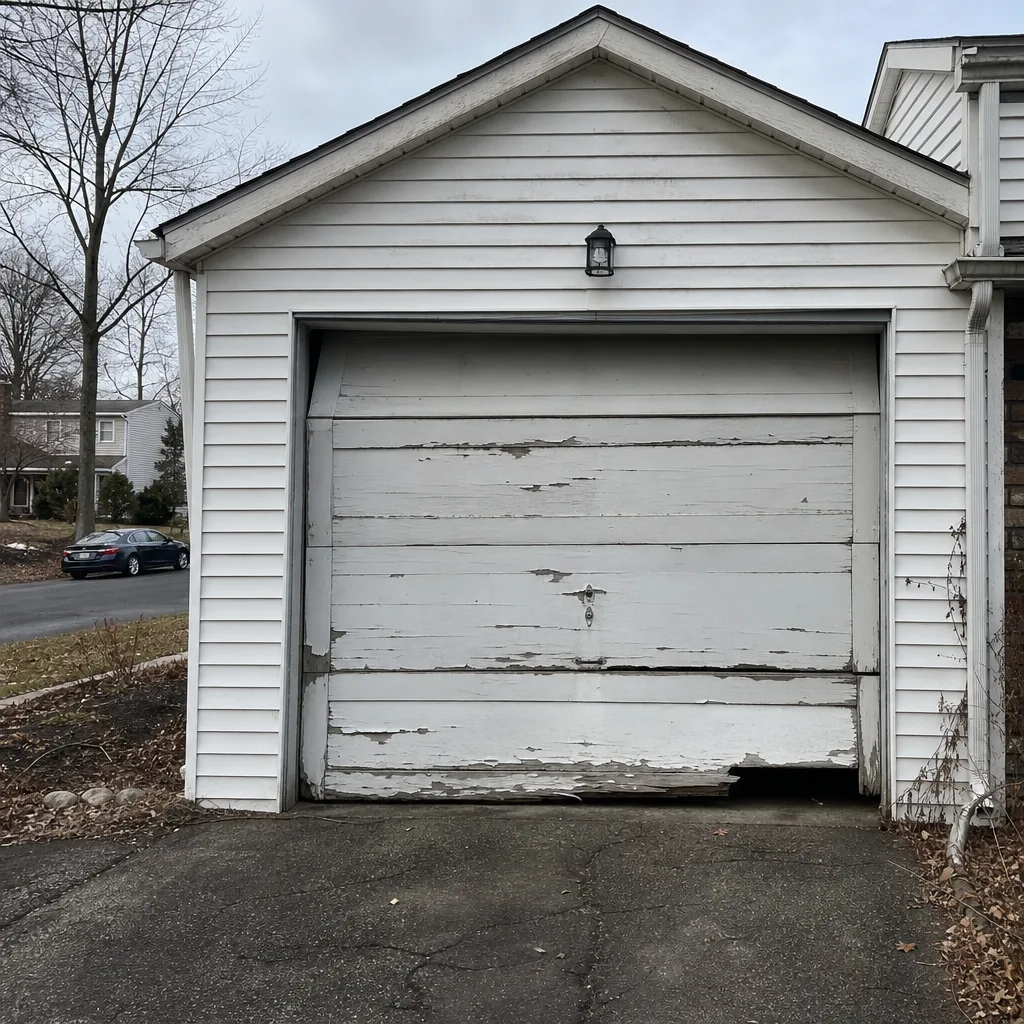 Before
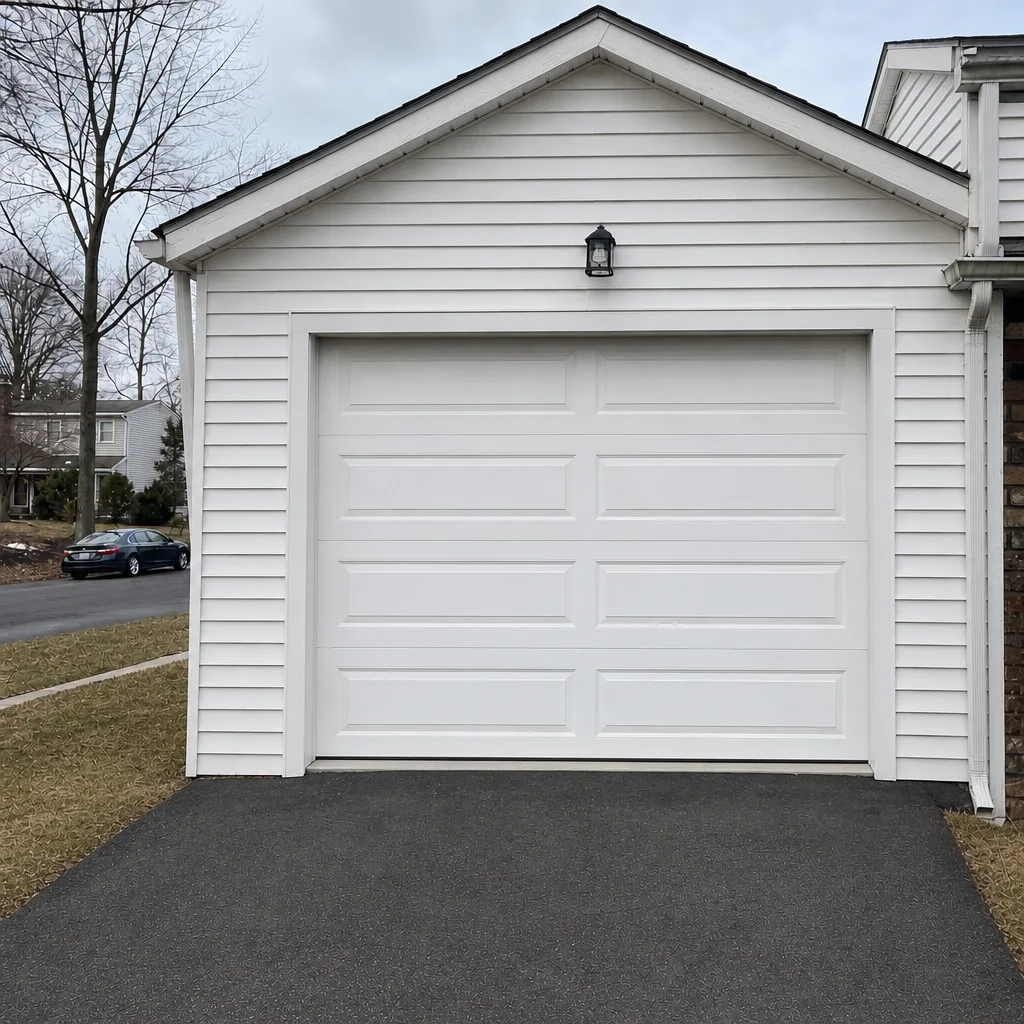 After
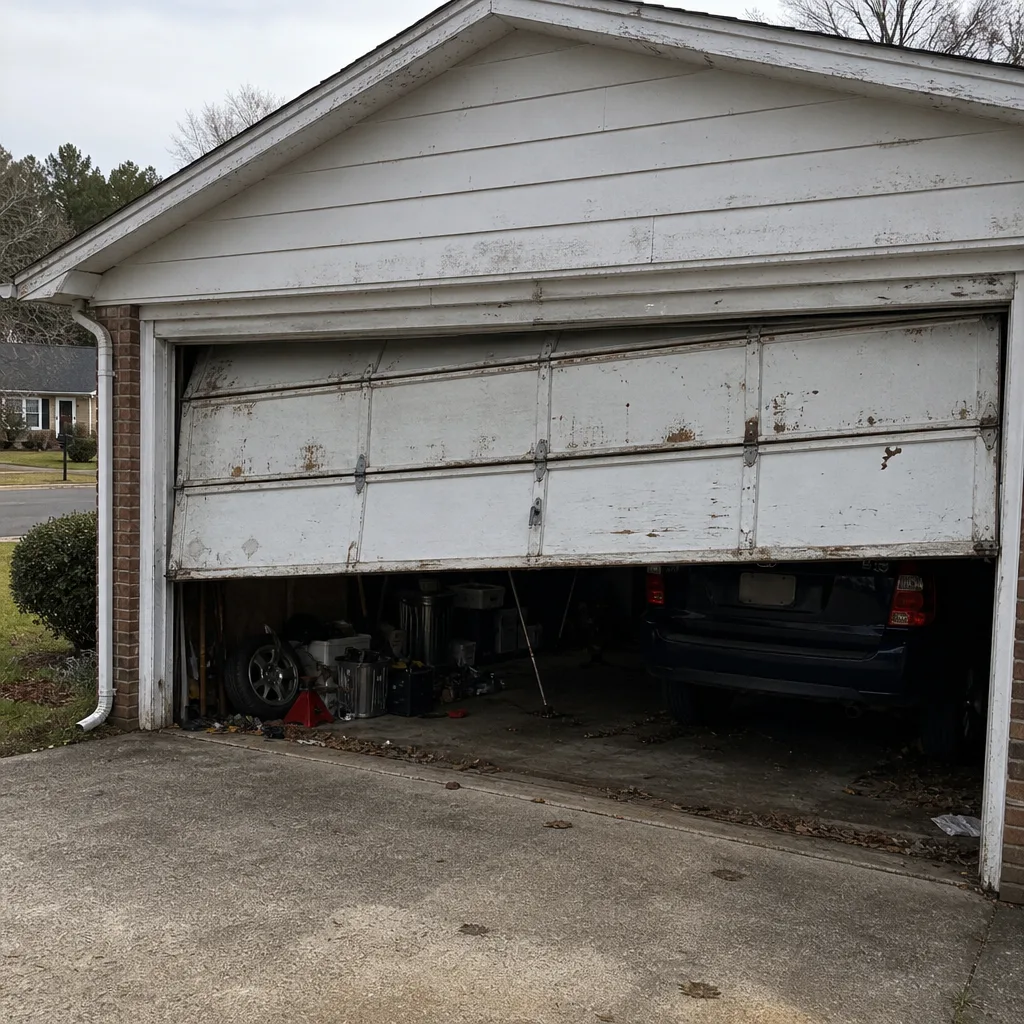 Before
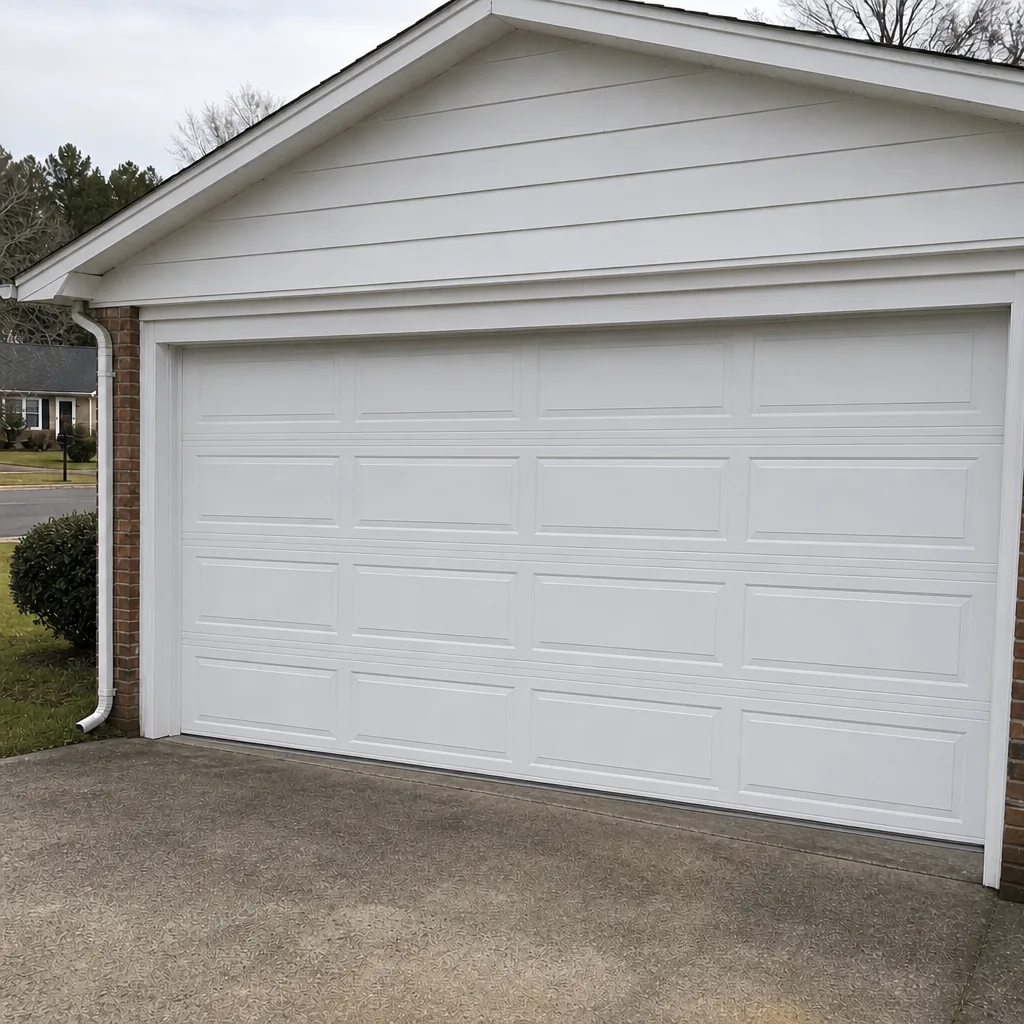 After
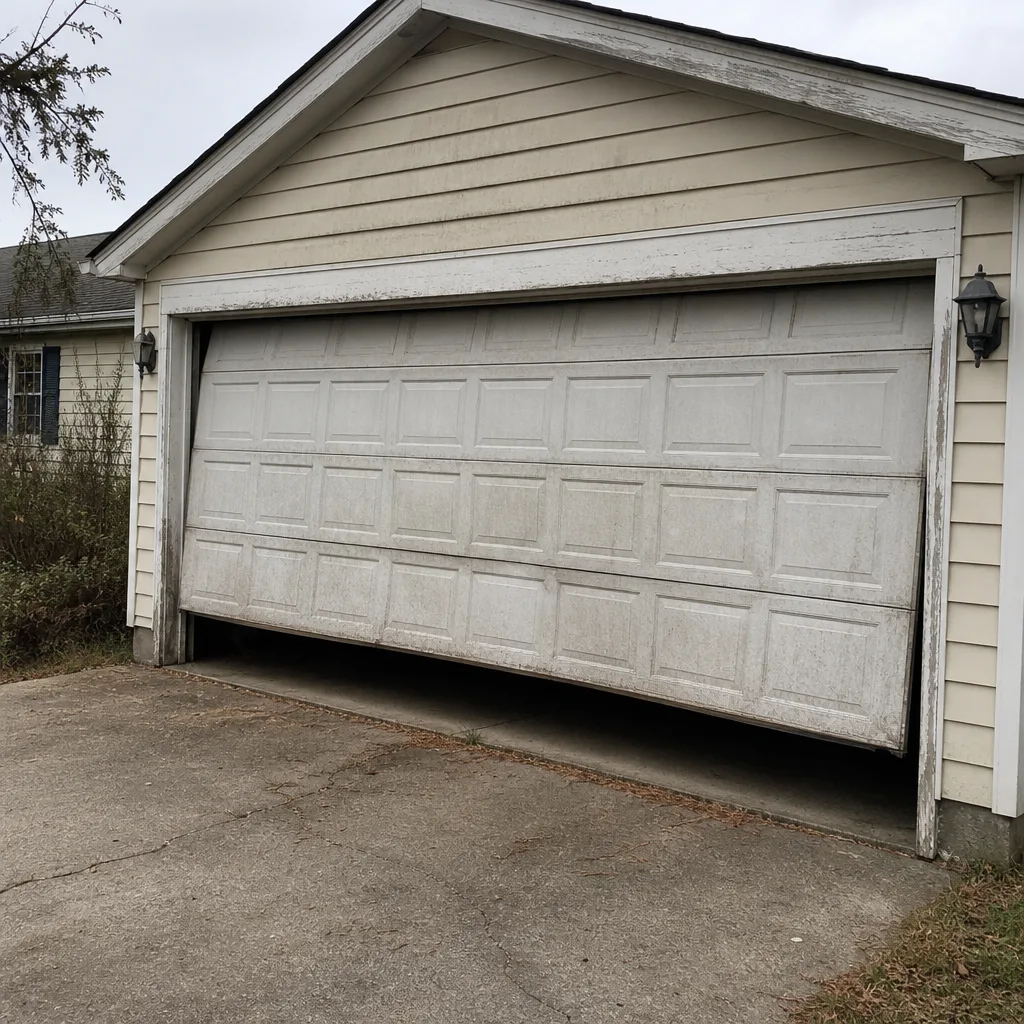 Before
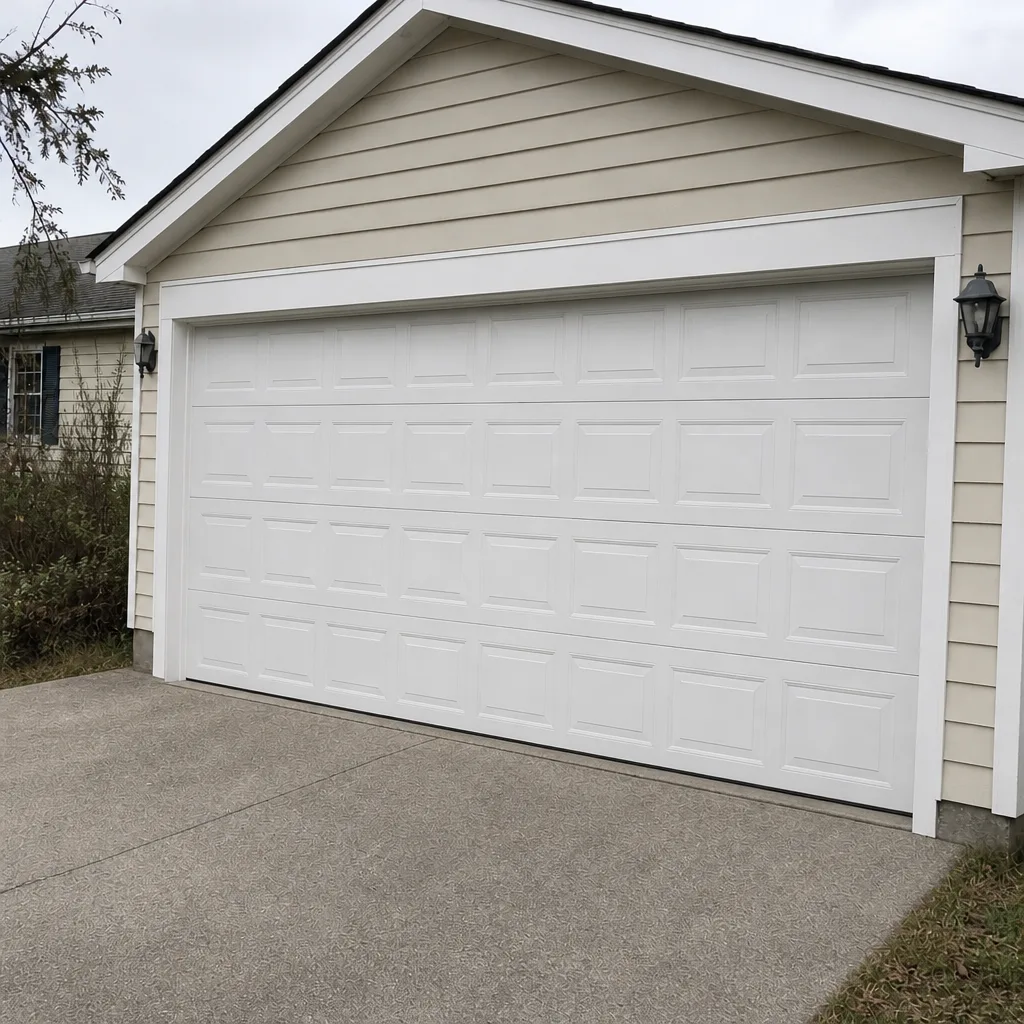 After
When to Call a Professional
Call when the door won’t move and the manual release doesn’t resolve it, when the door is stuck up and you can’t safely bring it down, when the door feels heavy or slams shut, or when you hear a bang from the springs. Call when the opener runs but the door doesn’t move, or when the door reverses for no reason. Call when a car is trapped, when the door won’t secure before nightfall, or when the opener has no power and the outlet does. Those are the moments we exist for. For a door that’s beyond repair, installation is measured and scheduled rather than same-day, but the conversation starts the same way. Garage Door Repair Vernon offers free estimates in Vernon. Call (877) 492-3186. We answer 24/7. Fast dispatch from 7am to 7pm, Sunday through Friday.
Frequently Asked Questions
Pull the manual release cord with the door fully closed, then lift the door by hand and secure it with a clamp on each track before you leave it unattended. If the door is up when the power fails, leave the release alone and let the opener hold it in position. Call (877) 492-3186 if you’re not sure which state your door is in. Estimates are free.
No. Pulling the release with the door up disconnects the only thing holding it, and a heavy door can drop or run up the track. That’s how trolleys get bent and doors get dropped. Bring the door fully down first, then release it.
It depends on the battery, not just the opener. A healthy backup battery handles several open-and-close cycles, but a cold garage in January reduces capacity, and an older battery may only manage one cycle. Test your backup before winter so you know what it can do.
Yes, same-day dispatch is available when the situation calls for it. Call (877) 492-3186 with your opener brand and model and what the door is doing. We answer 24/7, and fast dispatch runs from 7am to 7pm, Sunday through Friday.
A door that’s suddenly heavy means the springs or cables have lost tension, and that’s a safety issue rather than a repair ticket. Don’t force it. Stop lifting, keep it closed, and call (877) 492-3186. Our technicians have up to 12 years of experience with spring work and treat it as a safety-critical operation.
Your address, your opener’s brand and model, what the door is doing, whether you’ve pulled the manual release, and whether the door is secure. Have those ready before you dial. It turns a five-minute intake call into a ninety-second one.
The Bottom Line
Vernon homes are well prepared for the storm and badly prepared for the garage door afterward. The fix is simple. Learn where your manual release is and only use it with the door closed. Keep two clamps and a flashlight in the garage. Write your opener’s brand and model on a card and leave it there. Test your battery backup before winter instead of during it. And save our number. When the door won’t move, we move fast. We work on the brand already in your garage, whether that’s a LiftMaster opener or a Clopay door. One call covers repair, opener diagnosis, spring work and installation, so you never have to find a second contractor. That’s the whole plan. Twenty minutes now, and the next outage is a minor inconvenience rather than a lockout.
Ready to get set up before the next storm? Call (877) 492-3186 for a free estimate. We answer 24/7. Fast dispatch from 7am to 7pm, Sunday through Friday. For the full range of what we do in Vernon, start at the Garage Door Repair Vernon homepage.
Written by the team at Garage Door Repair Vernon.